Home / Health / Heavy Snow: A Silent Health Threat Unveiled
Heavy Snow: A Silent Health Threat Unveiled
24 Feb
Summary
- Shoveling heavy snow poses significant heart strain, especially for inactive individuals.
- Wet snow and wind increase hypothermia risk and make navigation treacherous.
- At-risk groups like diabetics and smokers should avoid snow shoveling.
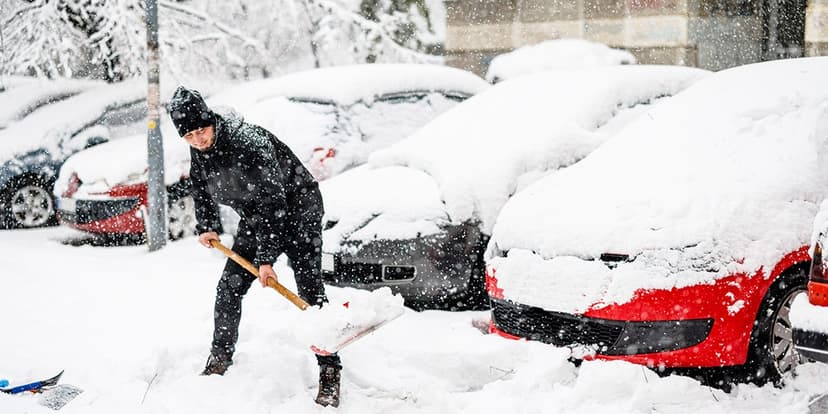
Historic snowfall accumulating this week carries significant health risks beyond travel disruptions. Experts are cautioning that shoveling heavy, wet snow places considerable strain on the heart, especially for individuals who do not regularly exercise or have pre-existing health conditions. This exertion, particularly in frigid temperatures and windy conditions, can elevate blood pressure and constrict arteries, increasing the likelihood of cardiac events. Individuals with conditions such as obesity, diabetes, high blood pressure, or a history of heart attack or stroke are strongly advised against shoveling snow. The wet, heavy nature of the snow combined with wind also poses a risk of hypothermia if one becomes chilled and makes outdoor navigation hazardous due to ice. Medical professionals urge people to stay indoors and avoid unnecessary outdoor exposure. If shoveling is unavoidable, it should be done gradually and with caution, prioritizing sweeping over lifting.
In addition to the cardiac strain, exposure to the elements during severe weather can lead to other dangers. Heavy, wet snow can cause a profound chill if it seeps into clothing, potentially leading to hypothermia. The treacherous icy conditions created by snow and wind increase the risk of falls. Furthermore, fallen power lines or trees weighed down by snow present a serious danger of electrocution. Experts emphasize the importance of proper attire, including hats, gloves, and warm overcoats, when venturing outdoors. They also stress the need for community awareness, urging individuals to look out for one another. Staying indoors unless absolutely necessary is the recommended course of action during extreme weather events to mitigate these varied health threats.