Home / Health / Wearable Health Tech: Life Saver or Anxiety Trigger?
Wearable Health Tech: Life Saver or Anxiety Trigger?
6 Dec
Summary
- Smartwatches can monitor pulse and detect heart irregularities like AFib.
- Experts caution that extensive data may cause anxiety in users.
- Wearable tech's impact on cardiovascular patients showed increased anxiety.
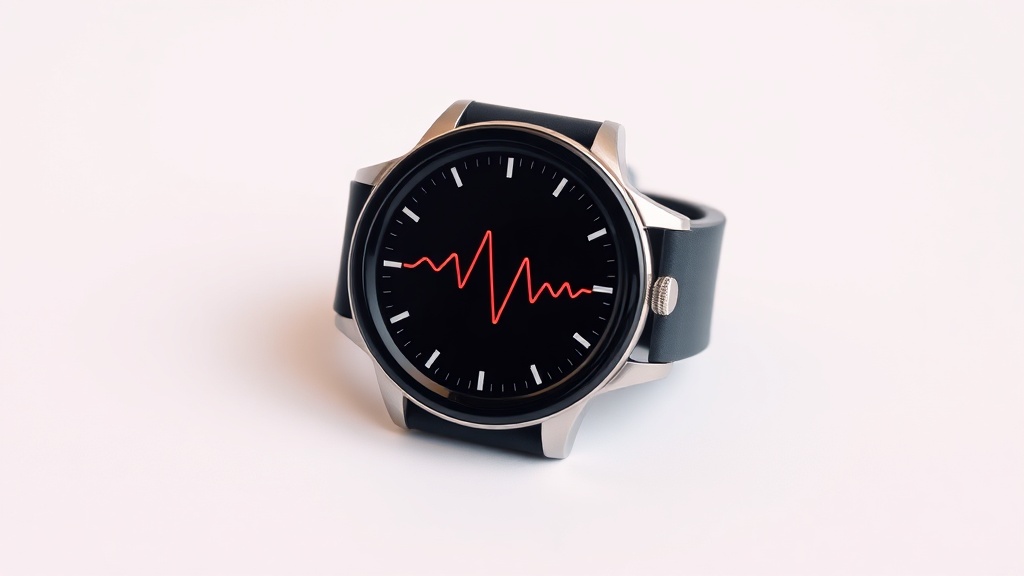
Modern smartwatches offer sophisticated health monitoring, using LED lights to track pulse and electrical signals to gauge stress. Some devices can even perform electrocardiograms (ECGs), identifying conditions such as atrial fibrillation (AF). While this technology holds the promise of early disease detection, experts express concerns about its potential to induce anxiety.
Professor Niels Peek highlights the challenge of interpreting complex data, suggesting that an overload of information might lead users to become overly concerned about their health. Clinical psychologist Lindsey Rosman's research with cardiovascular patients revealed that 20% experienced heightened anxiety, becoming more likely to seek healthcare resources due to their wearable data.
This phenomenon can create a cycle of worry, where a perceived concerning reading leads to increased heart rate, further intensifying anxiety. The concern is that without proper understanding, users may misinterpret data, leading to a self-fulfilling prophecy of poor health. This underscores the need for careful consideration of how health data is presented and understood by the general public.