Home / Health / Sleep Trackers: Accurate or Just Hype?
Sleep Trackers: Accurate or Just Hype?
30 May
Summary
- Nearly half of Americans use sleep-tracking devices.
- Trackers are mostly accurate identifying sleep vs. wakefulness.
- Anxiety over sleep data is a common reported side effect.
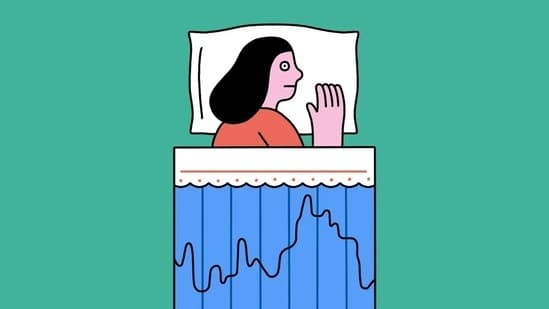
Nearly half of Americans and around 40% of Britons now rely on smartwatches, rings, or phone apps to monitor their sleep. These devices, which track movement, sound, and sometimes heart rate, are highly effective at distinguishing between sleep and wakefulness, reportedly agreeing with gold-standard polysomnography about 95% of the time. However, their accuracy diminishes when identifying specific sleep stages like REM, with agreement rates fluctuating between 50% and 80%.
Despite these shortcomings, sleep researchers generally view these trackers positively, noting they provide users with an objective sense of their sleep duration and can encourage behavioral changes. Studies indicate that a majority of users modify their habits after reviewing their sleep data, and some short-term studies have shown improved self-reported sleep quality among tracker users.
However, the pursuit of perfect sleep data can lead to anxiety, with up to 30% of users reporting orthosomnia, a condition where concern over sleep data disrupts sleep itself. This highlights that while trackers can offer insights, the most reliable measure of a good night's rest remains waking up feeling refreshed.


