Home / Health / Sleep Apnea's Hidden Daytime Toll
Sleep Apnea's Hidden Daytime Toll
12 Aug
Summary
- Sleep apnea impacts 32.4% of US adults, a significant public health issue.
- Daytime fatigue, headaches, mood changes, and brain fog are overlooked symptoms.
- Seeking medical advice and sleep tests are crucial for diagnosis and treatment.
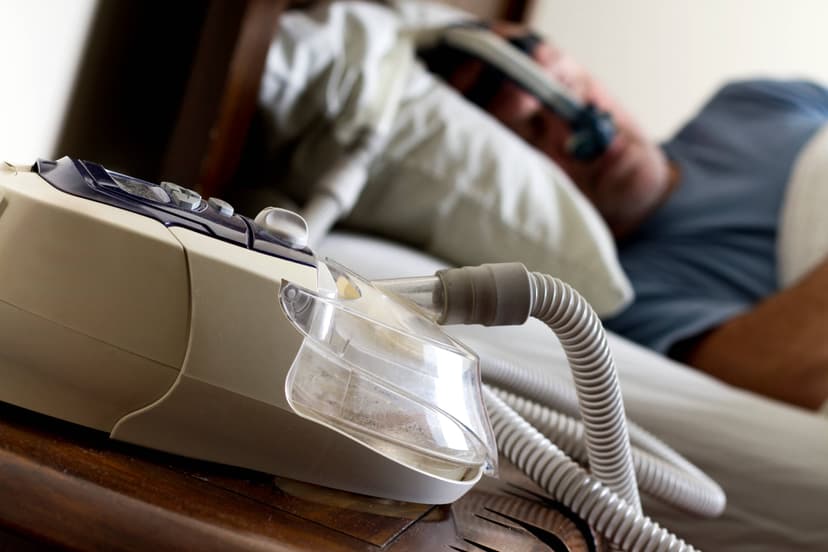
Sleep apnea is a prevalent sleep disorder impacting an estimated 83.7 million adults in the United States, which is approximately 32.4 percent of the adult population. While snoring and gasping during sleep are well-known symptoms, the daytime effects are frequently overlooked and attributed to everyday life stressors.
Daytime fatigue is a primary, often ignored, symptom. Repeated breathing interruptions disrupt deep sleep, leading to persistent tiredness that is commonly mistaken for poor sleep quality or stress. Morning headaches, described as dull throbbing pain, are another common indicator, arising from the brain's reduced oxygen supply during apnea events. These are often misdiagnosed as allergies.
Furthermore, sleep apnea can significantly affect mental well-being, contributing to moodiness, irritability, and depression, with studies showing high rates of mood disorders among patients. Cognitive issues like brain fog, difficulty focusing, and memory problems are also linked to the oxygen deprivation caused by interrupted breathing. Dry mouth upon waking is another frequent symptom, often misattributed to dehydration or medication.
Experts emphasize that these daytime symptoms are serious indicators of an underlying condition that warrants medical evaluation. Consulting a doctor and undergoing a sleep test are vital steps toward diagnosis and effective treatment, potentially preventing long-term health consequences.


