Home / Health / Sickle Cell: Not Rare, But Genetic and Inherited
Sickle Cell: Not Rare, But Genetic and Inherited
11 Jul
Summary
- Sickle cell disease is a genetic disorder, not an infection.
- Two healthy parents carrying the trait can pass on the disease.
- Premarital and prenatal screening are crucial for prevention.
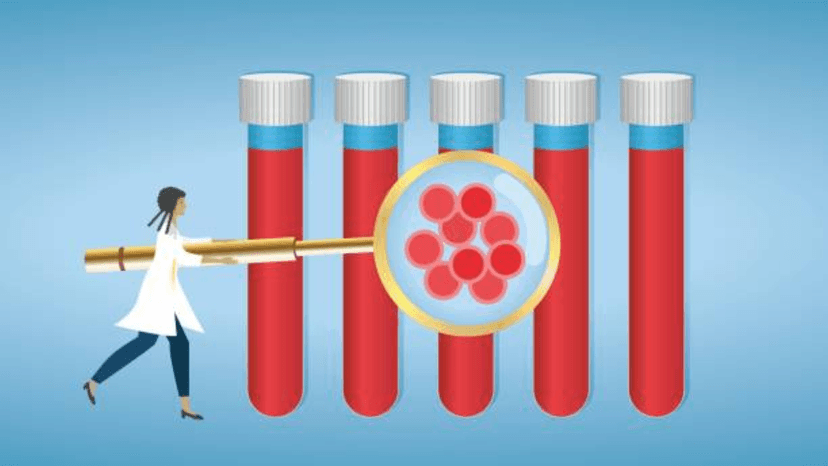
Sickle cell disease is a genetic disorder that is inherited, not caught like an infection. Contrary to common belief, it is not rare and affects children from high-prevalence regions. Dr. Shyam Rathi highlights that the disease is passed on genetically when both parents carry the sickle cell trait, frequently without their knowledge.
Premarital screening is recommended as a source of basic information, similar to blood group testing, to aid informed family planning. When both partners are carriers, genetic counselling becomes essential. Prenatal diagnosis further supports families by providing accurate information early in pregnancy, allowing for discussions about options with specialists.
While sickle cell treatment has advanced, prevention through timely screening is considered the most effective intervention. Early screening can avert a lifetime of pain crises, hospital visits, and organ-related complications for a child. Greater community-level awareness and integrated screening programs with education are needed in India, especially outside major cities.


