Home / Health / Saskatchewan First Nation Tackles Food Insecurity with Novel Garden
Saskatchewan First Nation Tackles Food Insecurity with Novel Garden
16 Sep
Summary
- A no-till garden produced over 1,000 pounds of fresh vegetables.
- This initiative aims to combat food insecurity and chronic diseases.
- The low-maintenance garden requires minimal watering and no fertilizer.
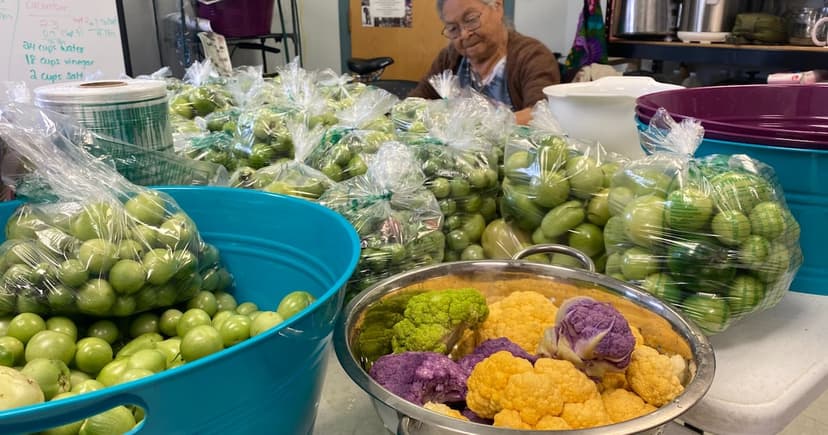
A pioneering no-till garden on Onion Lake Cree Nation has yielded an impressive 1,000 pounds of vegetables, offering a sustainable solution to food insecurity. This initiative is providing fresh cauliflower, tomatoes, zucchini, potatoes, cabbage, and carrots to community members, including those in group homes, Elders, food banks, and schools. The project directly addresses the disproportionately high rates of food insecurity and chronic diseases like Type 2 diabetes among Indigenous communities.
The low-maintenance no-till gardening method, which involves layering compost and straw without disturbing the soil, proved highly effective. This technique conserves moisture, suppresses weeds, and protects soil microorganisms, requiring minimal watering and no fertilizers or pesticides. The successful harvest, with root vegetables yet to be included, demonstrates the viability of this approach for increasing the availability of healthy foods for children and families.
Community members like Alicia Oliver and Elder Yvonne Carter have been instrumental in the garden's success, teaching sustainable practices and contributing to harvesting and food preservation. The First Nation hopes to expand this no-till concept to schools, further reducing food costs and enhancing access to nutritious meals for students. This initiative empowers the community by providing reliable access to food, fostering a sense of self-sufficiency and well-being.


