Home / Health / Climate Change Fuels Salmonella Antibiotic Resistance
Climate Change Fuels Salmonella Antibiotic Resistance
3 Jun
Summary
- Salmonella antibiotic resistance is increasing due to climate change.
- A study analyzed over 480,000 salmonella genomes globally.
- Antimicrobial stewardship remains the primary solution.
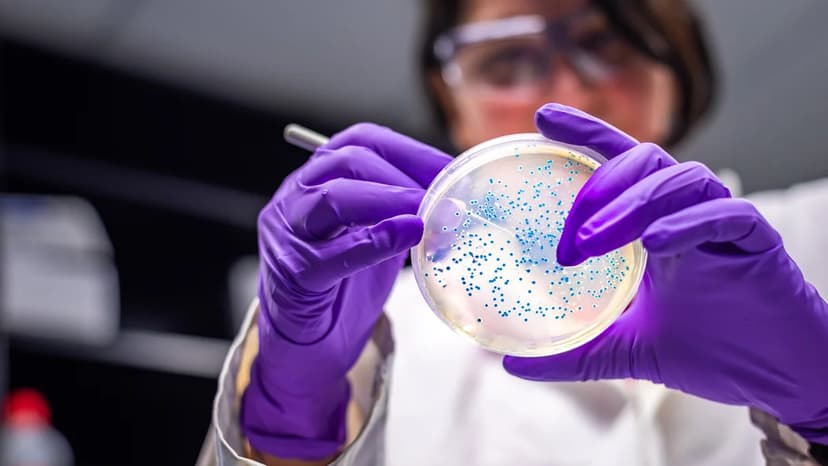
A groundbreaking international study, published in The Lancet Planetary Health, indicates that rising global temperatures are contributing to increased antibiotic resistance in salmonella. This research, involving scientists from the UK, France, Australia, Switzerland, and China, analyzed over 480,000 salmonella genomes collected across 139 countries between 1940 and 2023.
The study found that climate change was associated with an approximate 10% rise in salmonella antibiotic resistance genes worldwide over this extensive period. While the misuse of antibiotics remains the primary driver of resistance, the findings suggest that climate shifts, including warming and altered precipitation, are exacerbating the problem.
Despite the complexity of the relationship, 82% of participating countries showed an increase in salmonella resistance genes. The Middle East and North Africa, followed by South Asia and sub-Saharan Africa, experienced the most significant climate-associated gains. Researchers posit that environmental changes may be helping bacteria adapt and spread resistance more effectively.
To combat this growing public health threat, experts stress the importance of enhanced antibiotic stewardship. This includes appropriate antibiotic use, avoiding misuse, and robust surveillance of resistant infections. The study authors advocate for integrating climate policies aligned with the Paris Agreement with antimicrobial stewardship and a "One Health" approach, considering human, animal, and environmental health collectively.


