Home / Health / RSV Vaccine Protects Newborns: Real-World Proof
RSV Vaccine Protects Newborns: Real-World Proof
8 Jun
Summary
- Maternal RSV vaccination reduces infant hospitalization risk by 68%.
- The vaccine is 69% effective against severe RSV-related lung infections.
- RSV is the leading cause of hospitalization for U.S. infants.
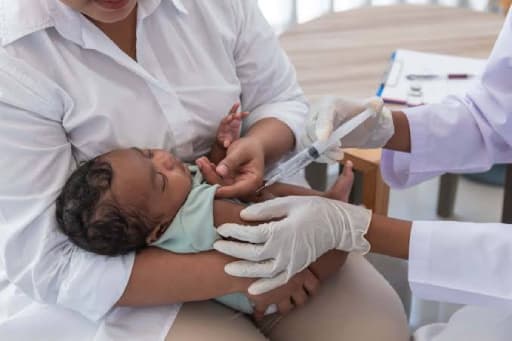
New research provides concrete evidence that vaccinating pregnant women against respiratory syncytial virus (RSV) substantially lowers the risk of hospitalization for their newborns. This maternal immunization strategy has demonstrated a significant impact, reducing the likelihood of infants requiring hospital care by 68%.
The study, published in JAMA Network Open, further indicates that the RSV vaccine is 69% effective in preventing more severe lung infections. These findings are particularly important as RSV remains the primary reason for hospital admissions among infants in the United States.
Approved by the U.S. Food and Drug Administration in 2023, the maternal RSV vaccine confers protection to infants via their mothers. Prior to its availability, there was no reliable method to shield newborns from this common virus, which can necessitate oxygen support or mechanical ventilation in severe cases.
Researchers are continuing to monitor the vaccine's effectiveness over multiple RSV seasons and plan to expand their analysis to assess protection in older infants. This ongoing real-world data collection is vital for informing decisions by families, clinicians, and policymakers aimed at protecting vulnerable infants.


