Home / Health / RSV Protection Gap: Provinces Lag on Infant Health
RSV Protection Gap: Provinces Lag on Infant Health
17 Feb
Summary
- Nirsevimab offers vital RSV protection for infants, but access varies widely.
- Four provinces restrict nirsevimab coverage to high-risk infants only.
- Early RSV prevention can avert hospitalizations and save lives.
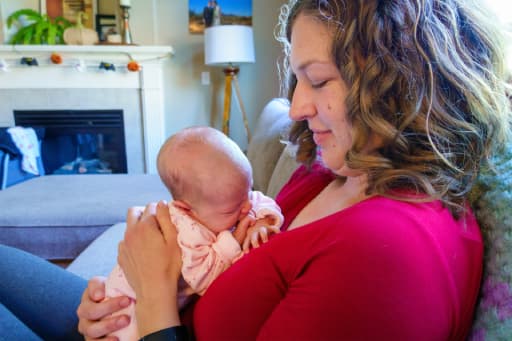
New preventative measures for respiratory syncytial virus (RSV) are available, but access varies significantly across Canadian provinces. Nirsevimab, a monoclonal antibody approved in April 2023, offers protection against severe RSV for infants during their first season. A bivalent vaccine, Abrysvo, approved later, protects newborns by immunizing pregnant individuals.
National advisory bodies, like the National Advisory Committee on Immunization (NACI), recommend universal RSV immunization programs for all infants. While most provinces have adopted this, four provinces—Newfoundland and Labrador, Alberta, British Columbia, and New Brunswick—restrict coverage of nirsevimab to high-risk infants. This includes infants with chronic lung or heart conditions, and those born at 30 weeks gestation or earlier.
Michelle Pratt's sons, born slightly past this threshold, were excluded from provincial coverage, forcing her family to pay privately. This situation has drawn criticism from health-care professionals who advocate for wider access, citing significant reductions in hospitalizations and emergency visits in provinces with universal programs.
Ontario, for example, reported 162 fewer occupied hospital beds during one RSV season due to its comprehensive coverage. Quebec also saw substantial decreases in emergency visits and hospitalizations with infant antibody coverage. Despite increasing RSV cases in Newfoundland and Labrador, the province's Chief Medical Officer of Health stated there are no immediate plans to expand coverage, citing logistical and financial considerations.
The cost of nirsevimab is substantial for private purchase, ranging from $750 to $905, making it inaccessible for many families. Health advocates argue that universal public funding is essential for equitable protection, preventing costly hospitalizations and ensuring all infants, regardless of their location, receive recommended care.


