Home / Health / Bladder Cells Hold Clue to Recurring UTIs
Bladder Cells Hold Clue to Recurring UTIs
5 Aug
Summary
- Recurring UTIs may stem from epigenetic changes in bladder cells.
- Severe infections can alter gene expression, increasing future UTI risk.
- Research offers hope for patients by potentially reversing susceptibility.
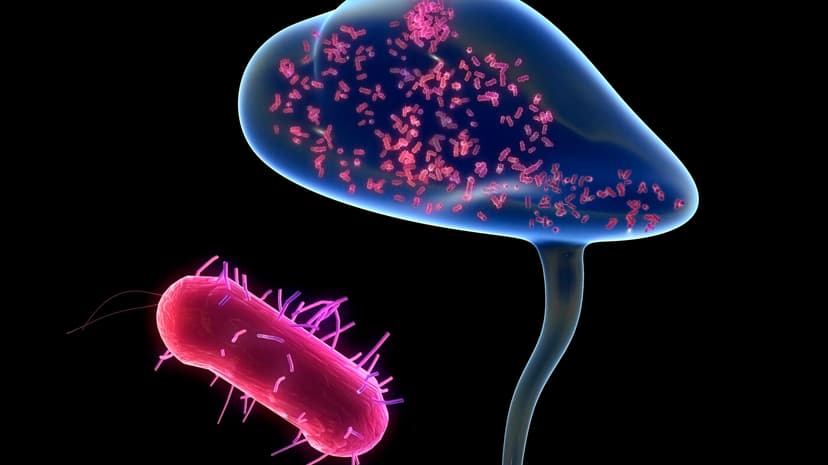
Urinary tract infections (UTIs), affecting over 400 million people annually, are often assumed to be preventable through hygiene. However, research published in Nature Microbiology by a Washington University team indicates that recurring UTIs may have a biological basis. Scientists discovered that severe E. coli infections can cause epigenetic changes in bladder cells.
These epigenetic alterations modify how the DNA sequence is interpreted, potentially signaling the immune system to react more aggressively to future infections. This could explain why some individuals experience chronic UTIs despite practicing good hygiene, challenging the notion that personal fault is the sole cause.
The study, conducted on mice, observed that those with severe initial infections were more prone to recurring issues after antibiotic treatment. The identified epigenetic markers on DNA in urinary tract cells may increase susceptibility.
While this research alleviates patient shame, it also presents a difficult reality that prevention may be challenging. However, there is optimism that these changes might not be permanent. Scientists hope that given a period free from infection, bladder cells could revert to a state better equipped to fight off bacterial invaders.


