feedzop-word-mark-logo
searchLogin
Feedzop
homeFor YouUnited StatesUnited States
You
bookmarksYour BookmarkshashtagYour Topics
Trending
trending

Armed man at Temecula mall

trending

Taipei mass stabbing kills four

trending

Reddit CDN server errors

trending

Luke Air Force Base shooting

trending

Target app outage reported

trending

Baird upgrades Rivian stock

trending

Rhode Island energy outage

trending

Rocket Lab stock surges

trending

College football bowl games today

Terms of UsePrivacy PolicyAboutJobsPartner With Us

© 2025 Advergame Technologies Pvt. Ltd. ("ATPL"). Gamezop ® & Quizzop ® are registered trademarks of ATPL.

Gamezop is a plug-and-play gaming platform that any app or website can integrate to bring casual gaming for its users. Gamezop also operates Quizzop, a quizzing platform, that digital products can add as a trivia section.

Over 5,000 products from more than 70 countries have integrated Gamezop and Quizzop. These include Amazon, Samsung Internet, Snap, Tata Play, AccuWeather, Paytm, Gulf News, and Branch.

Games and trivia increase user engagement significantly within all kinds of apps and websites, besides opening a new stream of advertising revenue. Gamezop and Quizzop take 30 minutes to integrate and can be used for free: both by the products integrating them and end users

Increase ad revenue and engagement on your app / website with games, quizzes, astrology, and cricket content. Visit: business.gamezop.com

Property Code: 5571

Home / Health / Radioactive Shrimp Scare: 85,000 Bags Recalled

Radioactive Shrimp Scare: 85,000 Bags Recalled

18 Dec

•

Summary

  • 85,000 bags of frozen shrimp recalled due to radioactive contamination.
  • Cesium-137 detected, potentially increasing cancer risk.
  • Shrimp sold nationwide; consumers urged to return or discard.
Radioactive Shrimp Scare: 85,000 Bags Recalled

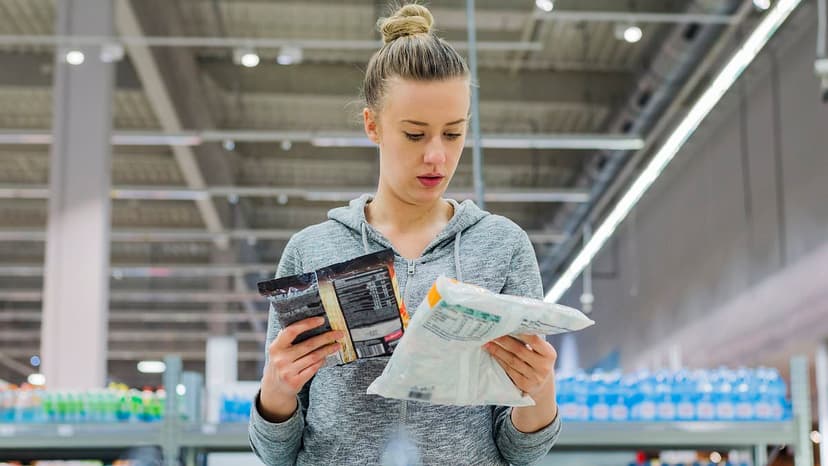
A large-scale recall involving nearly 85,000 bags of frozen shrimp has been initiated due to concerns over radioactive contamination. The U.S. Food and Drug Administration (FDA) issued an alert for specific products from Kroger and AquaStar, identifying the presence of Cesium-137, a radioactive isotope. While generally harmless in low environmental levels, internal exposure can damage DNA and increase cancer risk.

The affected shrimp were distributed across 31 states, predominantly in the South, West Coast, and Midwest, appearing on shelves between June 12 and September 17, 2025. Consumers who purchased these products are urged to avoid consumption and return them to the store for a refund. For those concerned about consumption, consulting a doctor is advised, and the FDA offers an online reporting form for guidance.

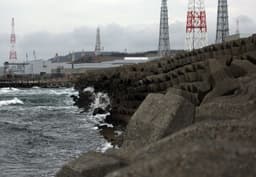
The contamination source remains unclear, with theories pointing to rearing, packaging, or unsanitary holding conditions. Some experts suggest a possible link to the 2011 Fukushima Daiichi nuclear disaster. The FDA confirmed that while contaminated products were detected in shipping containers, no shrimp testing positive for Cesium-137 had entered U.S. commerce, with the recall serving as a precautionary measure.

Disclaimer: This story has been auto-aggregated and auto-summarised by a computer program. This story has not been edited or created by the Feedzop team.
Approximately 85,000 bags of frozen shrimp from Kroger and AquaStar are recalled due to potential Cesium-137 contamination.
Cesium-137 can increase cancer risk if ingested and lodged in body tissue, continuously releasing low-level radiation.
The recalled shrimp were sold at 18 grocery stores nationwide, including Kroger, Walmart, Pick 'n Save, and others, across 31 states.

Read more news on

Healthside-arrow

You may also like

Chernobyl Dome Breach: Radioactive Fears Rise

18 Dec • 7 reads

article image

Chernobyl's Shield Damaged by Drone, IAEA Warns

7 Dec • 53 reads

article image

Not Radiation: Why Chernobyl Dogs Turned Blue

6 Dec • 52 reads

article image

Chernobyl Fungus Eats Radiation, Offers Space Shield

2 Dec • 81 reads

article image

Scotland Nuclear Site Finds 'Significant' Radioactive Fragment

1 Dec • 77 reads

article image