Home / Health / Puberty's Hidden Danger: Insulin Resistance Triggers Teen Type 2 Diabetes
Puberty's Hidden Danger: Insulin Resistance Triggers Teen Type 2 Diabetes
14 Nov, 2025
Summary
- Teenage boy diagnosed with Type 2 diabetes despite healthy childhood
- Lifestyle factors like poor diet, lack of exercise, and excessive screen time contributed to insulin resistance
- Family history and genetic factors also played a role in the teen's condition
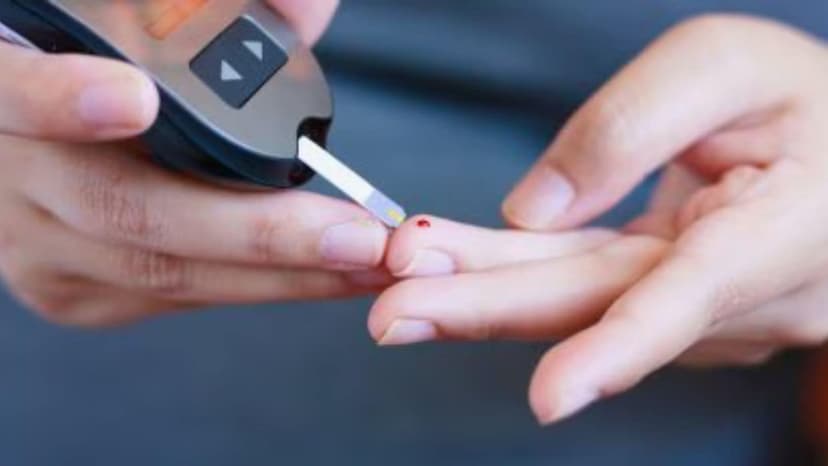
As of November 2025, healthcare professionals are witnessing a concerning rise in the number of teenagers diagnosed with Type 2 diabetes, a condition once almost unheard of in children. One such case is that of 16-year-old Rohan, a student from Mumbai.
Rohan's daily routine mirrored that of many urban Indian teenagers - late wake-ups, skipped breakfasts, long hours of online classes, and excessive screen time for gaming and social media. His sedentary lifestyle, combined with a diet high in sugar-sweetened drinks and processed snacks, created the perfect storm for insulin resistance, a precursor to diabetes.
Rohan's family history also played a role, as both his parents were overweight, and his father had recently been diagnosed with diabetes. During puberty, the body goes through hormonal changes that can lead to temporary insulin resistance, and Rohan's unhealthy lifestyle and genetic factors exacerbated the issue, leading to the early onset of Type 2 diabetes.
At the endocrinology clinic, Rohan's tests confirmed the diagnosis, with a BMI of 32.7 kg/m² (placing him in the obese category), fasting blood sugar of 138 mg/dL, and an HbA1c of 7.3%. He also showed signs of other metabolic complications, including high blood pressure and elevated triglycerides.
Rohan's treatment focused on lifestyle modifications, with the goal of replacing sugary drinks with water or buttermilk, introducing 45 minutes of daily physical activity, and reducing processed food in favor of more vegetables and whole grains. His parents also adjusted their own routines to support Rohan's journey to better health.
Within six months, Rohan's efforts paid off - he lost 7 kilos, his HbA1c dropped to 6.2%, and his energy levels improved significantly. This case highlights the importance of early intervention and the role that family support and lifestyle changes can play in managing and even reversing the onset of Type 2 diabetes in teenagers.


