Home / Health / Dementia Risk Soars with Processed Meat Intake
Dementia Risk Soars with Processed Meat Intake
28 Sep
Summary
- Daily processed meat intake may raise dementia risk by 44%.
- Ultra-processed foods are linked to inflammation and brain damage.
- Consuming sugary drinks also shows a link to dementia and stroke.
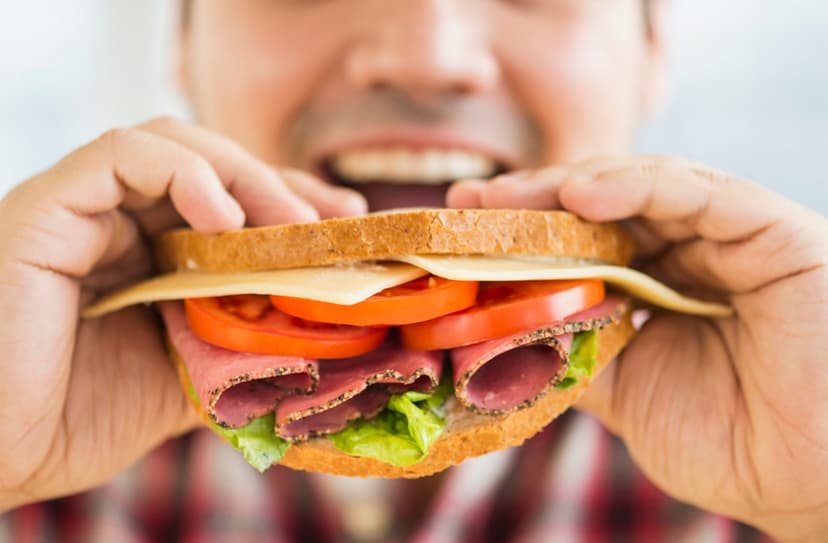
A recent study suggests that consuming approximately 25 grams of processed meat daily, such as ham or bacon, could elevate the risk of developing dementia, specifically Alzheimer's, by 44% to 52%. This daily amount is roughly equivalent to two slices of processed meat.
Ultra-processed foods, which often contain high levels of saturated fat, salt, sugar, and additives, have been linked to adverse health outcomes. Research published in the Annual Review of Nutrition analyzed UK health data from nearly 500,000 individuals over decades.
The study indicates that higher consumption of drinks with added sugar or artificial sweeteners is also associated with an increased risk of dementia and stroke. Scientists observed a connection between increased fat, sugary drinks, and processed meat intake with smaller brain volume.
While direct causation is not proven, evidence suggests heavily processed foods may damage the brain over time through inflammation and disruption of brain cell communication. The authors emphasize that more research is needed to understand these links definitively.
Other examples of ultra-processed foods include fizzy drinks, sweets, breakfast cereals, mass-produced bread, and ready-to-heat meals. These foods contribute significantly to the average UK diet. Researchers concluded that diets low in ultra-processed foods appear promising for maintaining better brain health later in life.


