Home / Health / Beyond Nutrition: How Processing Changes Food's Impact
Beyond Nutrition: How Processing Changes Food's Impact
5 Oct
Summary
- Processed meal type alters metabolic response and brain activity.
- Highly processed meals caused higher insulin and prolonged blood sugar.
- Brain scans showed different reward area activation for processed foods.
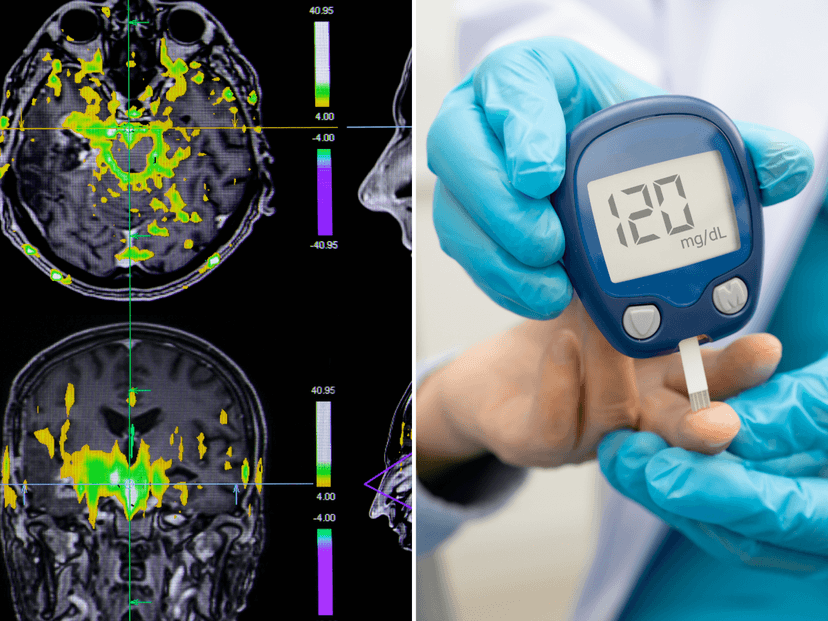
Research from Virginia Tech indicates that the processing of food, not just its nutritional value, profoundly affects our bodies and brains. A study involving healthy adults revealed that consuming a highly processed meal, despite being matched for calories and macronutrients, led to a markedly higher insulin response and sustained elevated blood sugar levels.
Furthermore, brain imaging demonstrated that the brain's motivation and reward centers respond differently to ultraprocessed foods compared to their minimally processed counterparts. This suggests the brain encodes the value of these foods distinctively, potentially influencing eating behaviors and long-term health outcomes.
These findings, published in Nature Metabolism on October 5, 2026, offer new insights into the biological mechanisms underlying the adverse health effects linked to ultraprocessed foods. While short-term effects were observed, further research is needed to establish definitive causal links to chronic health conditions.


