Home / Health / Postpartum Psychosis: Beyond the Myths
Postpartum Psychosis: Beyond the Myths
15 Aug
Summary
- Postpartum psychosis is a rare but serious mental health condition.
- It involves hallucinations, delusions, confusion, and paranoia.
- Early intervention and treatment lead to high recovery rates.
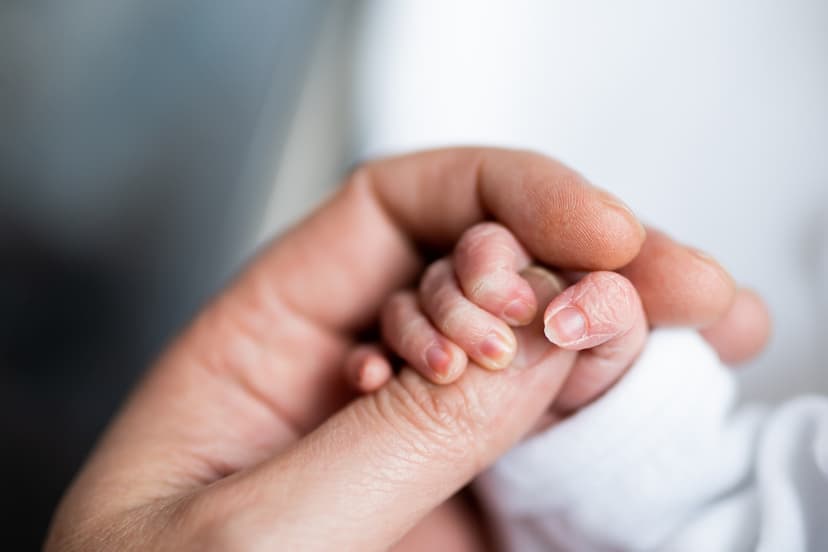
Postpartum psychosis (PPP) is a severe perinatal mental health condition impacting an estimated 1 to 2 out of every 1,000 women after childbirth. This medical illness, distinct from character flaws, can involve symptoms like hallucinations, delusions, confusion, and paranoia. Experts emphasize that PPP is a psychiatric emergency requiring immediate inpatient care.
Contrary to common misconceptions, PPP does not always present as an obvious break from reality. Symptoms can begin subtly, with early signs including hypervigilance and confusion, easily mistaken for typical new motherhood challenges. Mood fluctuations resembling mania and depression can also precede psychotic episodes, which may wax and wane.
Unlike normal intrusive thoughts, the delusions in postpartum psychosis align with a person's altered reality, sometimes leading to altruistic-seeming beliefs about harming oneself or the child for a perceived greater good. While rare cases involve infanticide, research indicates a 4% risk of infanticide without treatment. However, swift medical intervention, including inpatient care, resolves symptoms in 98% of cases.
Effective treatment protocols often involve benzodiazepines, antipsychotics, and mood stabilizers like lithium, with electroconvulsive therapy (ECT) being an option for severe cases. With timely and appropriate treatment, most women fully recover and can lead healthy lives. Increased public awareness of postpartum psychosis is vital for early identification and connecting at-risk mothers to necessary care.


