Home / Health / Postpartum Depression Rates Double: Moms' Mental Health Crisis
Postpartum Depression Rates Double: Moms' Mental Health Crisis
30 May
Summary
- Postpartum depression rates in the U.S. have more than doubled since 2010.
- Untreated postpartum depression risks include poor infant bonding and suicide.
- Effective treatments include medication, talk therapy, and strong support systems.
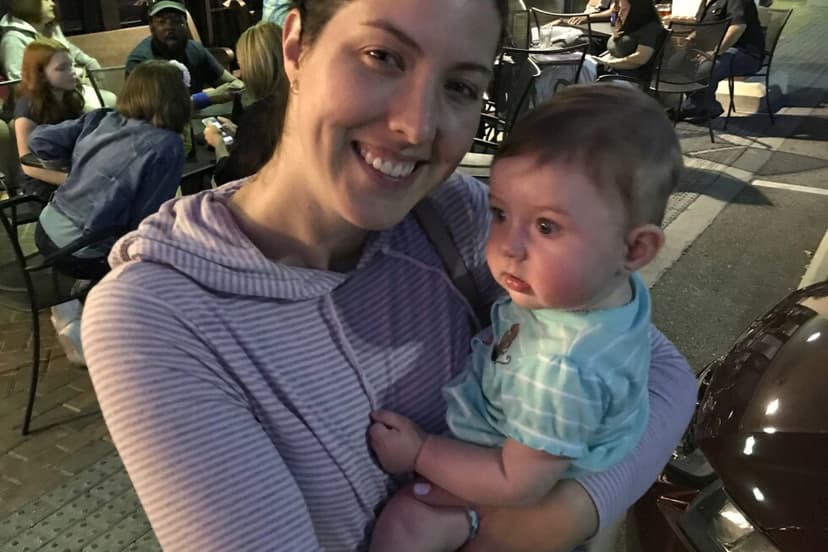
Postpartum depression rates in the U.S. have significantly increased, more than doubling from 9.4% in 2010 to 19% in 2021, according to a 2024 study. This mood disorder can cast a shadow over the postpartum period, differing from the milder "baby blues" by interfering with daily life and maternal bonding.
Recognizing the signs of postpartum depression is crucial. Symptoms can include persistent sadness lasting over two weeks, intense despair, anxiety, guilt, worthlessness, low energy, and difficulty concentrating. Some mothers may even experience thoughts of harming themselves or their babies.
Fortunately, effective treatments are available. These include medications such as antidepressants and newly approved pills like Zurzuvae, alongside talk therapy. Emphasizing the importance of adequate sleep and strong family support can also aid recovery. Resources like postpartumdepression.org aim to connect affected individuals with professional help, reinforcing that suffering in silence is unnecessary.


