Home / Health / Stroke's Hidden Toll: Aphasia's Silent Struggle
Stroke's Hidden Toll: Aphasia's Silent Struggle
25 Jun
Summary
- Aphasia, a communication disorder, significantly impacts stroke survivors.
- Speech and language deficits often receive less attention than mobility.
- New therapies like AI and VR offer hope for aphasia recovery.
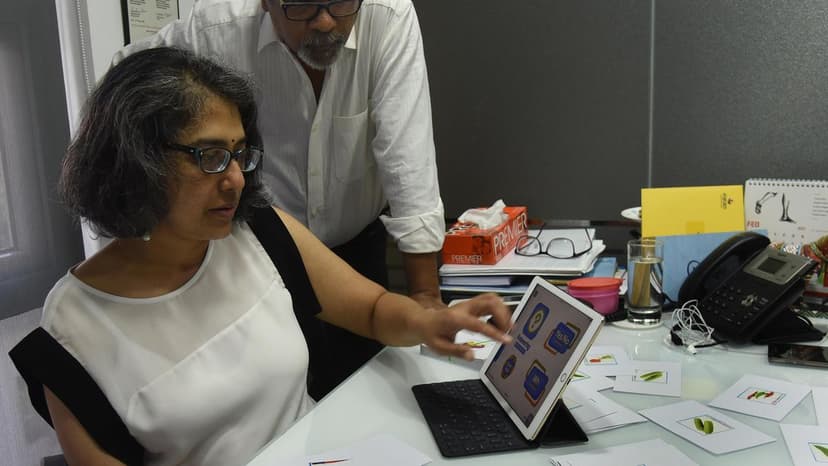
A young finance professional's stroke left him with severe speech, reading, writing, and calculation difficulties, illustrating the lasting impact of post-stroke aphasia. This communication disorder, affecting a significant portion of stroke survivors, often goes unrecognized despite its profound impact on daily life.
Globally, stroke is a leading cause of death and disability. In India, it's a major health concern, with nearly one-third of survivors developing communication disorders. While physical recovery is prioritized, speech and language deficits, crucial cognitive functions, frequently receive inadequate attention, leading to distress and reduced quality of life.
Advancements in neuroscience are expanding treatment options beyond conventional speech therapy. Innovative approaches include tele-rehabilitation, AI-assisted programs, and virtual reality training, addressing challenges like therapist availability. Emerging therapies like rTMS and tDCS are also showing promise in improving language functions.
Experts now recognize neuroplasticity, the brain's ability to reorganize, allowing recovery to continue for years. While access to speech rehabilitation remains a challenge in India due to therapist shortages and cost, ongoing therapy and encouragement are vital for maximizing language and communication recovery.


