Home / Health / South Florida Beaches: Beware the 'Blue Bottle'!
South Florida Beaches: Beware the 'Blue Bottle'!
4 Dec
Summary
- Portuguese man o' wars are siphonophores, not jellyfish, composed of four distinct zooids.
- Their long tentacles, up to 165 feet, deliver a painful sting, rarely deadly but dangerous.
- Lifeguards use purple flags to warn of stinging wildlife like the Portuguese man o' war.
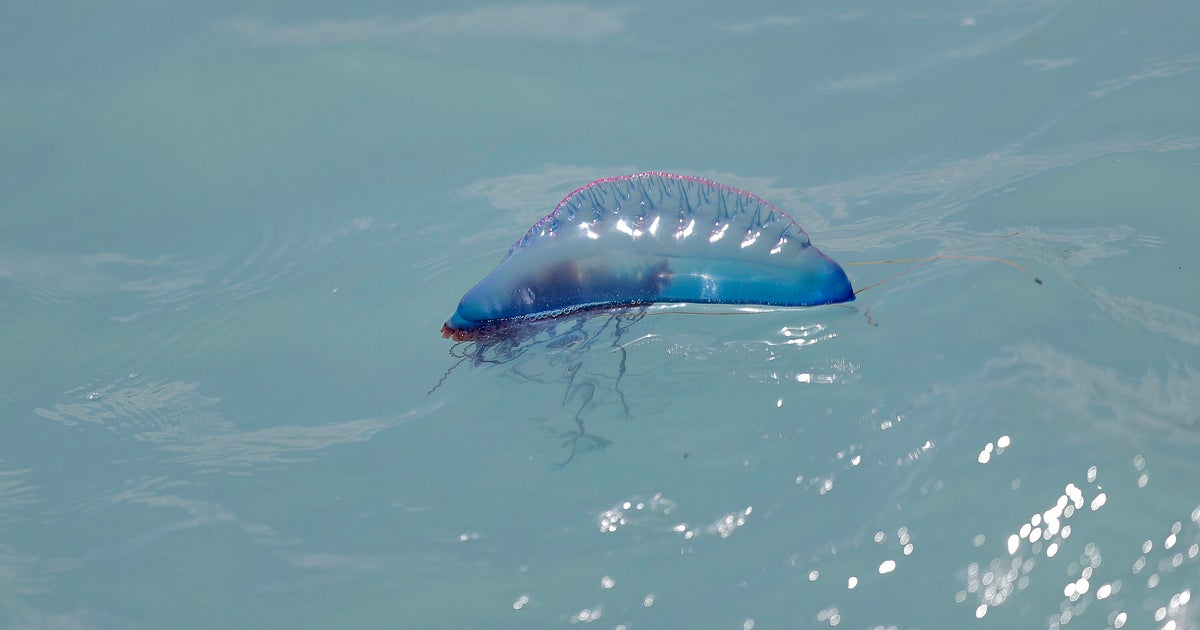
As the cooler Atlantic hurricane season concludes, South Florida's beaches draw crowds. However, a hidden danger lurks: the Portuguese man o' war. Often mistaken for a blue plastic bag, this marine creature is actually a siphonophore, a colony of specialized zooids working as one. Its most recognizable feature is a gas-filled bladder, or pneumatophore, that resembles a ship's sail.
These siphonophores have long tentacles, averaging 30 feet but capable of reaching 165 feet, covered in venomous nematocysts. These are used to paralyze prey but inflict excruciatingly painful stings on humans, typically leaving red welts that last for days. While rarely deadly, even washed-up specimens can still sting, posing a risk to unsuspecting beachgoers.
Lifeguards often display purple flags to signal the presence of stinging marine life. In case of a sting, seeking immediate lifeguard assistance is advised. Treatment may involve distilled vinegar and careful removal of any lingering tentacles. Hot packs or showers can offer relief, and persistent itching or rash may require over-the-counter remedies.