Home / Health / Placenta: A Post-Birth Medical Goldmine
Placenta: A Post-Birth Medical Goldmine
7 Mar
Summary
- Placental stem cells show promise for regenerative medicine therapies.
- Amniotic membranes from the placenta aid in wound healing treatments.
- Cord blood banking uses placental stem cells for blood disorders.
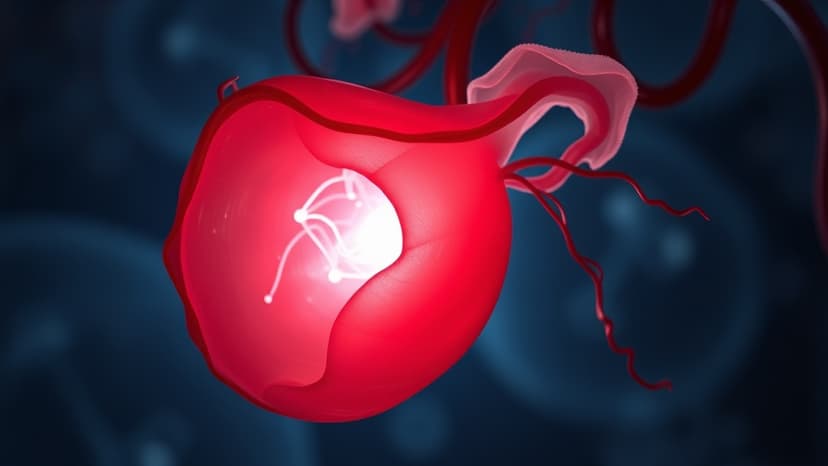
The placenta, a vital organ during pregnancy, is gaining recognition for its significant post-birth medical and scientific applications. This organ, which develops to nourish and protect the fetus, contains valuable materials for regenerative medicine and wound healing research.
Placental stem cells possess the remarkable ability to differentiate into various body cell types, making them highly valuable for tissue regeneration. Scientists are exploring their use in therapies for conditions like nerve damage and inflammatory disorders, noting their ease of procurement and ethical advantages.
Additionally, amniotic membranes and other placental tissues are actively used in medical treatments. These tissues promote wound healing and tissue restoration by reducing inflammation and accelerating cell development, proving effective for chronic wounds and eye injuries.
The placenta also plays a role in umbilical cord blood, which contains hematopoietic stem cells. Banking this cord blood allows for treatments of blood disorders, immune diseases, and cancers through procedures like bone marrow transplants.
While medical advancements highlight the placenta's potential, ethical considerations and maternal consent are paramount. Strict protocols ensure the safety and quality of placental tissue for therapeutic purposes, transforming it from discarded waste into a biological asset for future medical progress.