Home / Health / PGIMER's Telemedicine Plan: Future of Healthcare?
PGIMER's Telemedicine Plan: Future of Healthcare?
2 Mar
Summary
- PGIMER OPDs see over 10,000 patients daily, straining resources.
- A five-year plan aims to expand tele-education and tele-consultation.
- Telemedicine services have already saved patients an average of Rs 972.
In 2025, PGIMER's OPDs experienced a significant patient influx, with approximately 28.58 lakh visits, averaging over 10,000 daily. This surge has placed a considerable burden on healthcare workers and resources.
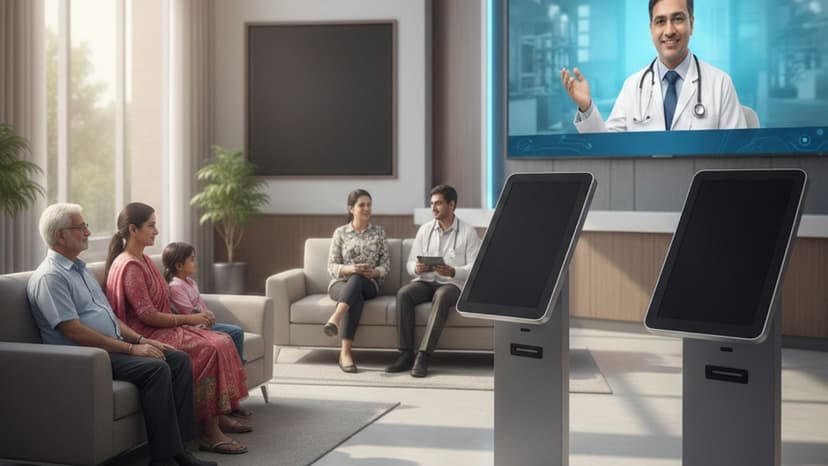
To combat this, PGIMER is implementing a strategic five-year plan to enhance tele-education and tele-consultation services. The focus is on providing remote specialist access, particularly for follow-up care, palliative, and post-operative patients.
This initiative aims to save patients substantial time and travel costs, as about half of all OPD visits are for follow-ups. Pilot projects are launching at AIIMS and other institutes via the e-Sanjeevani platform.
Telemedicine services have already demonstrated economic benefits, saving an average of Rs 972 per person. The 'hub and spoke' model facilitates consultations from primary care centers to PGIMER specialists.
The plan includes expanding e-health initiatives across various specialities, including cardiology and dermatology. Tele-cardiology will aid in the timely interpretation of ECGs, while tele-dermatology will leverage digital tools for enhanced diagnosis and treatment planning.
These advancements, potentially boosted by AI in image analysis, promise to streamline workflows, improve diagnostic accuracy, and optimize resource utilization within the healthcare system.