feedzop-word-mark-logo
searchLogin
Feedzop
homeFor YouUnited StatesUnited States
You
bookmarksYour BookmarkshashtagYour Topics
Trending
Terms of UsePrivacy PolicyAboutJobsPartner With Us

© 2026 Advergame Technologies Pvt. Ltd. ("ATPL"). Gamezop ® & Quizzop ® are registered trademarks of ATPL.

Gamezop is a plug-and-play gaming platform that any app or website can integrate to bring casual gaming for its users. Gamezop also operates Quizzop, a quizzing platform, that digital products can add as a trivia section.

Over 5,000 products from more than 70 countries have integrated Gamezop and Quizzop. These include Amazon, Samsung Internet, Snap, Tata Play, AccuWeather, Paytm, Gulf News, and Branch.

Games and trivia increase user engagement significantly within all kinds of apps and websites, besides opening a new stream of advertising revenue. Gamezop and Quizzop take 30 minutes to integrate and can be used for free: both by the products integrating them and end users

Increase ad revenue and engagement on your app / website with games, quizzes, astrology, and cricket content. Visit: business.gamezop.com

Property Code: 5571

Home / Health / PFAS Exposure Triples Liver Disease Risk in Teens

PFAS Exposure Triples Liver Disease Risk in Teens

13 Jan

•

Summary

  • PFAS exposure may triple adolescents' risk of chronic liver disease.
  • Teens with higher PFAS levels show increased risk of liver disease.
  • Limiting PFAS exposure could prevent future liver health challenges.

PFAS Exposure Triples Liver Disease Risk in Teens

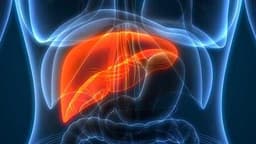
Teenagers exposed to pervasive "forever chemicals," or PFAS, face a significantly increased risk of developing chronic liver disease, according to recent University of Hawai'i research. These manufactured substances, commonly found in everyday products like cookware and food packaging, may triple adolescents' chances of contracting metabolic dysfunction-associated steatotic liver disease (MASLD).

This liver condition, already prevalent among U.S. children and adolescents, can escalate to liver cancer or necessitate a transplant. While obesity and genetics are known factors, researchers highlight that adolescents, with their developing bodies, are particularly vulnerable to PFAS health effects. Studies involving Southern California adolescents found elevated risks with higher PFOA and PFHpA levels.

Experts emphasize that PFAS exposure, combined with genetics and lifestyle, influences individual risk for MASLD. The widespread presence of PFAS, detected in over 99% of Americans' blood and U.S. drinking water, underscores the urgency of reducing exposure. Early intervention by limiting PFAS could prevent future lifelong liver health challenges, presenting a critical public health opportunity.

trending

CFTC modernizes crypto regulations

trending

Artemis II rocket on pad

trending

Earthquake near Elgin, SC

trending

Texas winter storm watch

trending

Louisville schools closed due weather

trending

JCPS bus crash reported

trending

USGS studies Arctic river changes

trending

NYC snowstorm this weekend

trending

D.C. weekend winter storm

Disclaimer: This story has been auto-aggregated and auto-summarised by a computer program. This story has not been edited or created by the Feedzop team.
PFAS exposure is linked to a potential tripling of the risk for metabolic dysfunction-associated steatotic liver disease (MASLD) in teenagers.
PFAS, or "forever chemicals," are found in items like make-up, cookware, rainwear, and food packaging.
Limiting exposure to PFAS chemicals, especially during adolescence, may help prevent the development of liver disease later in life.

Read more news on

Healthside-arrow

You may also like

Silent Liver Disease Epidemic Sweeps India

2 hours ago • 2 reads

article image

Beyond 'Baby Fat': Kids' Livers at Risk

1 day ago • 4 reads

New Liver Therapy Shows Promise for Obesity

19 Jan • 7 reads

article image

Free Cholesterol Tests Expand to East London Pharmacies

9 Jan • 54 reads

article image

Sweet Danger: How Sugar Harms Your Body

7 Jan • 81 reads

article image