Home / Health / Silent Smoke: Kids' Lungs Suffer From Passive Exposure
Silent Smoke: Kids' Lungs Suffer From Passive Exposure
3 Jun
Summary
- Passive smoking harms children's developing lungs and immune systems.
- Smoke particles travel and linger, settling on surfaces and toys.
- Creating smoke-free homes and vehicles is crucial for child health.
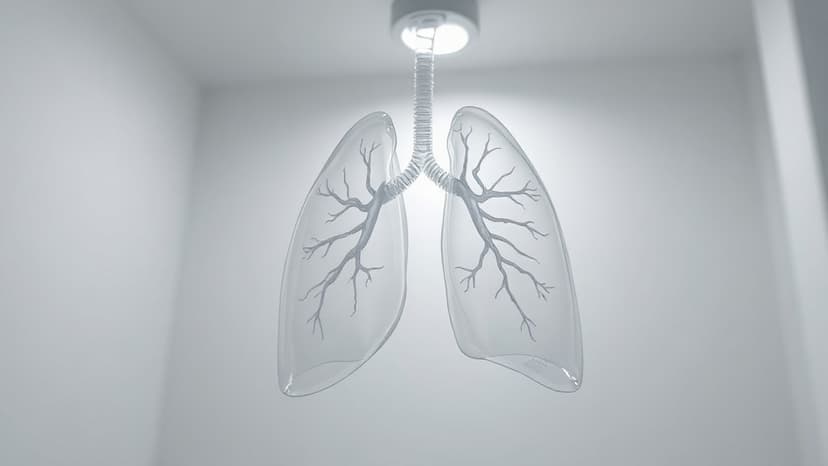
Children's respiratory health is significantly impacted by passive smoking, a threat often underestimated. Even without direct inhalation, smoke from family members can cause lifelong damage as children's lungs and immune systems are still developing. Harmful particles and residues linger in homes, on furniture, and toys, posing a continuous risk to infants and young children who spend more time indoors.
Consequences range from persistent coughs and recurrent chest infections to aggravated asthma and reduced lung growth. The impact extends beyond respiratory issues, potentially increasing the risk of middle ear infections and sleep disturbances. Research indicates that long-term exposure during childhood may lead to chronic lung conditions later in life.
Experts emphasize that no level of tobacco smoke exposure is safe for children. Creating a completely smoke-free environment is the most effective preventive measure. This includes ensuring homes and vehicles are smoke-free and washing smoke-contaminated clothing before contact with infants. Protecting children from secondhand smoke is vital for their immediate well-being and critical lung development during formative years.


