feedzop-word-mark-logo
searchLogin
Feedzop
homeFor YouUnited StatesUnited States
You
bookmarksYour BookmarkshashtagYour Topics
Trending
trending

Twitch restricts Australian teens

trending

Falcons stun Buccaneers with comeback

trending

Kuzma, Portis lead Bucks victory

trending

Giannis Antetokounmpo sidelined against Celtics

trending

Rockets beat Clippers at home

trending

21 Savage releases new album

trending

Nas Daily visits Israel

trending

Panthers NFC South playoff hopes

trending

Overseas travel vaccine alert

Terms of UsePrivacy PolicyAboutJobsPartner With Us

© 2025 Advergame Technologies Pvt. Ltd. ("ATPL"). Gamezop ® & Quizzop ® are registered trademarks of ATPL.

Gamezop is a plug-and-play gaming platform that any app or website can integrate to bring casual gaming for its users. Gamezop also operates Quizzop, a quizzing platform, that digital products can add as a trivia section.

Over 5,000 products from more than 70 countries have integrated Gamezop and Quizzop. These include Amazon, Samsung Internet, Snap, Tata Play, AccuWeather, Paytm, Gulf News, and Branch.

Games and trivia increase user engagement significantly within all kinds of apps and websites, besides opening a new stream of advertising revenue. Gamezop and Quizzop take 30 minutes to integrate and can be used for free: both by the products integrating them and end users

Increase ad revenue and engagement on your app / website with games, quizzes, astrology, and cricket content. Visit: business.gamezop.com

Property Code: 5571

Home / Health / Papua New Guinea HIV Crisis: Funding Cuts Fuel Epidemic

Papua New Guinea HIV Crisis: Funding Cuts Fuel Epidemic

12 Dec

•

Summary

  • Papua New Guinea declared HIV a national crisis amid soaring infections.
  • US aid suspension has severely impacted vital HIV clinics and services.
  • Mother-to-child HIV transmission rates are alarmingly high globally.
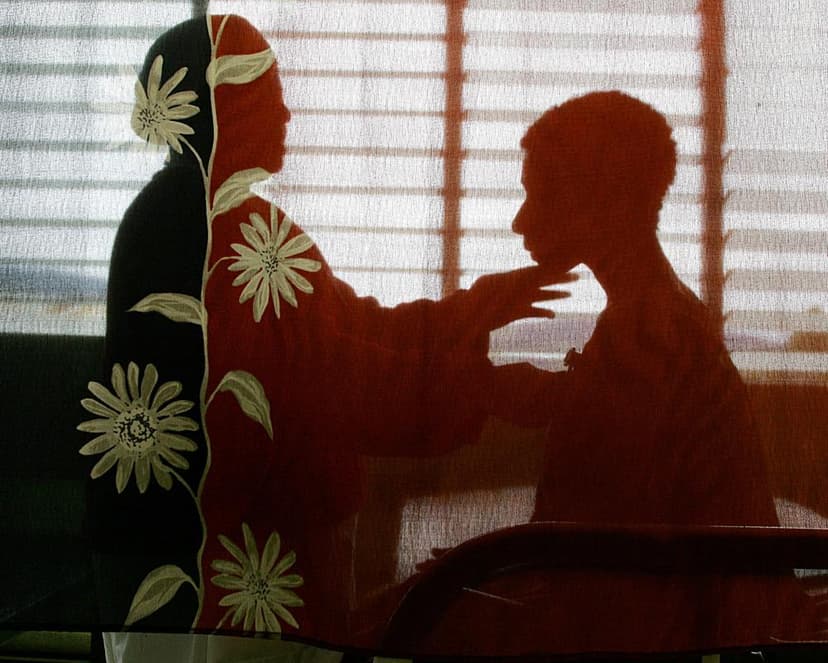
Papua New Guinea HIV Crisis: Funding Cuts Fuel Epidemic

Papua New Guinea has declared HIV a national crisis, grappling with one of the fastest-growing epidemics in the Asia-Pacific region. Infections have doubled since 2010, with a particularly concerning rise among women and children. Mother-to-child transmission rates are among the highest globally, often occurring when mothers are unaware of their HIV status.

The crisis is amplified by drastic funding reductions, including the suspension of US foreign aid. This has severely impacted hundreds of clinics providing crucial HIV support and prevention services, leading to scaled-down operations and reduced awareness programs. Health officials are calling for increased government intervention.

While Australia has stepped in with additional funding, concerns remain about the health sector's heavy reliance on foreign aid. The government acknowledges the need for a long-term strategy to manage the epidemic internally, emphasizing self-reliance to address the ongoing health emergency.


Disclaimer: This story has been auto-aggregated and auto-summarised by a computer program. This story has not been edited or created by the Feedzop team.
Papua New Guinea declared HIV a national crisis due to rapidly increasing infection rates, particularly among women and children, and high mother-to-child transmission.
The suspension of US foreign aid has led to reduced funding for hundreds of clinics, impacting essential HIV testing, treatment, and awareness programs.
Papua New Guinea has an emergency response plan, but increased government funding and reduced reliance on foreign aid are seen as crucial for long-term solutions.

Read more news on

Healthside-arrowAustraliaside-arrow

You may also like

Aid Cuts Cripple HIV Fight in Poorest Nation

1 Dec • 68 reads

article image

Ancient Humans Reached Australia 60,000 Years Ago

29 Nov • 83 reads

article image

Boosters Urged: Don't Skip Covid Shots This Holiday

27 Nov • 55 reads

article image

Indonesia Declares Polio Outbreak Over After 3-Year Fight

21 Nov • 85 reads

article image

Thai Rangers Arrest Suspected Wildlife Smugglers, Seize 81 Macaques

17 Nov • 136 reads

article image