Home / Health / Pancreatic Cancer: Silent Killer's Grip Tightens
Pancreatic Cancer: Silent Killer's Grip Tightens
2 Apr
Summary
- Pancreatic cancer's silent, late-stage detection leads to poor prognosis.
- Lifestyle factors like smoking and obesity significantly increase risk.
- Advancements in treatment offer cautious hope for improved survival rates.
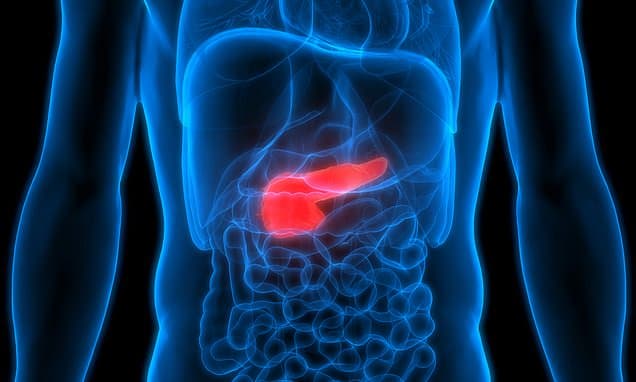
Pancreatic cancer, notoriously difficult to detect early, presents a bleak prognosis for most patients, with fewer than 10% surviving beyond five years. Its silent progression often means diagnosis occurs only after the disease has spread, limiting treatment options. Lifestyle choices play a significant role, with smoking, obesity, alcohol, and poor diet increasing risk through chronic inflammation and metabolic disruption.
Experts are concerned that modern trends, including weight-loss injections and new nicotine products, might also impact pancreatic health, though evidence is still under investigation. The pancreas's deep-seated location behind the stomach contributes to the lack of early symptoms, with signs like weight loss or jaundice appearing late. This necessitates a greater focus on understanding and modifying changeable risk factors.
Research is exploring promising avenues for treatment, including a combination of drugs that eradicated tumors in mice and targeted therapies like PARP inhibitors for specific genetic mutations. While immunotherapy has shown limited success, new approaches aim to make tumors more visible to the immune system. Advances in detection through blood and urine tests also offer hope for earlier intervention, gradually shifting the outlook for this challenging disease.


