Home / Health / New Hope: Scientists Discover Potential Pancreatic Cancer Cure
New Hope: Scientists Discover Potential Pancreatic Cancer Cure
24 Dec
Summary
- Northwestern scientists developed a new antibody therapy to fight pancreatic cancer.
- The treatment targets cancer cells disguised by a sugar cloak.
- The therapy has shown success in mice and human trials are planned.
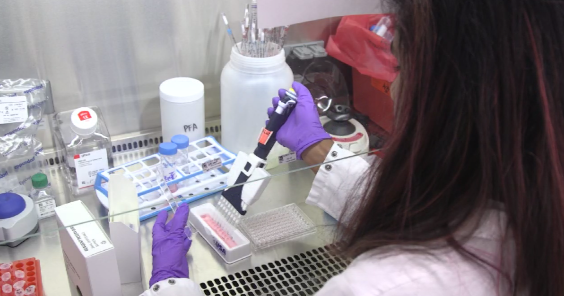
Scientists at Northwestern University have announced a significant breakthrough, potentially offering a cure for pancreatic cancer. This notoriously difficult-to-treat disease has a very low survival rate, with only 13% of patients living five years post-diagnosis.
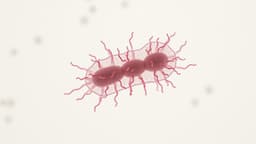
The newly developed antibody therapy, the result of a six-year research effort, targets a deceptive tactic employed by cancer cells. These cells don a sugar cloak to evade detection by the immune system. The novel therapy introduces a blocker that disarms this disguise, allowing the immune system to recognize and eliminate the cancer cells.
While the treatment has demonstrated success in mice, the team is now focused on accelerating the transition to human trials. Dr. Mohamed Abdel-Mohsen expressed optimism that the therapy could achieve full remission and potentially be adapted for other cancers and diseases, though it may take up to five years before it's available to patients.