Home / Health / Pakistan's Premature Birth Crisis: A Gut Feeling?
Pakistan's Premature Birth Crisis: A Gut Feeling?
2 Aug
Summary
- Rehri Goth sees one in four babies born prematurely.
- A specific gut bacterium may indicate preterm birth risk.
- Poor sanitation and malnutrition exacerbate preterm births.
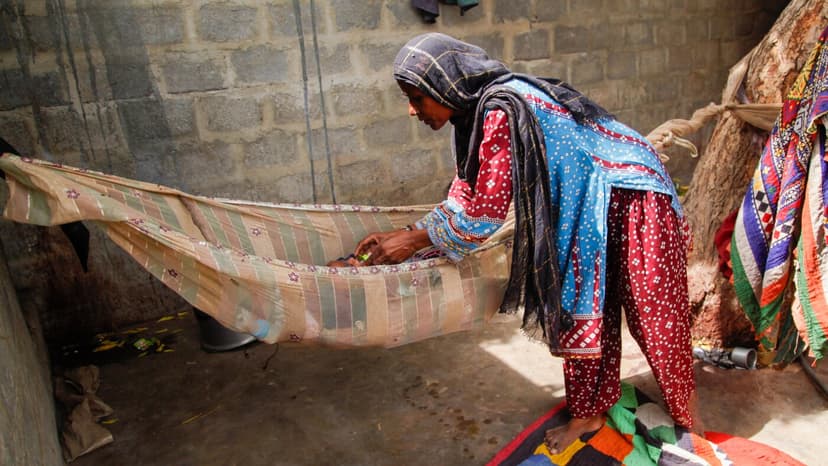
The fishing settlement of Rehri Goth, Pakistan, faces an alarming prematurity rate, with approximately one in four babies born early. This is nearly double Pakistan's national average, which itself is among the world's highest. Scientists at a local university are exploring the role of the gut microbiome, specifically identifying a bacterium called Prevotella copri that is less prevalent in women who experience preterm births. This discovery offers a potential signal for identifying at-risk mothers.
Factors such as severe malnutrition, extreme heat, and poor sanitation are significant contributors to the high incidence of preterm births in this community. While the research on Prevotella copri is promising, scientists emphasize it is still in its early stages and cannot yet inform policy. Further studies are underway to replicate findings and explore potential interventions, such as supplementing this bacterium to at-risk pregnant individuals.
The struggles of families like 17-year-old Mariam are stark, with her five-month-old son Ladoo born prematurely and facing dire health challenges due to lack of affordable care. Inadequate medical advice, such as discouraging breastfeeding, and reliance on inappropriate infant foods like Cerelac, further endanger vulnerable infants. These systemic issues highlight the critical need for improved education, sanitation, and healthcare access.


