

Home / Health / Pakistan's Malaria Fight Imperiled by Climate Shocks
Pakistan's Malaria Fight Imperiled by Climate Shocks
28 Apr
Summary
- Malaria cases in Pakistan declined by 10% but remain high.
- Climate-driven disasters like floods reverse disease control progress.
- Sustained domestic investment is crucial for malaria control.
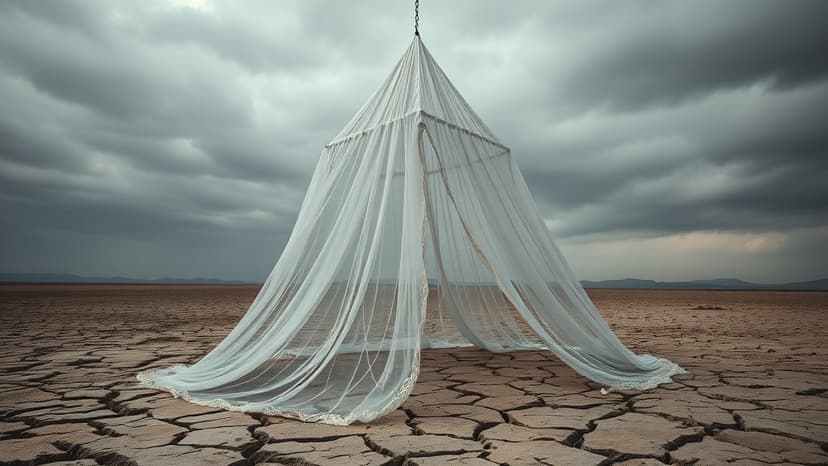
For the first time, defeating malaria within our lifetime is a possibility, according to the WHO. However, in Pakistan, where 1.8 million cases were reported in 2025, this promise remains precarious. The nation's struggle highlights how poverty, weak health systems, and climate shocks can intersect, leading to setbacks in disease control.
The devastating floods of 2022 underscored this vulnerability, rapidly undoing years of progress. As climate change intensifies with rising temperatures and shifting rainfall, conditions favoring mosquito breeding are escalating. This necessitates integrating climate adaptation with disease control agendas.
Significant efforts have been made, including screening nearly 16.9 million suspected cases in 2025 and distributing approximately 12 million insecticide-treated nets over three years. Community-based management offers hope for remote areas, and new vaccines promise further advancements.
However, effective delivery of these tools is paramount. Persistent transmission in regions like Balochistan and rural Sindh points to inequities. Reliable supplies of diagnostics, medicines, and vaccines are essential for basic health facilities. Strengthening surveillance and ensuring steady domestic investment, rather than relying on donor cycles or emergency responses, are crucial for sustained malaria control.
