Home / Health / NIH Issues Urgent Dengue Prevention Advisory
NIH Issues Urgent Dengue Prevention Advisory
18 Mar
Summary
- Dengue cases in Pakistan are rising annually, with over 33,000 reported in 2025.
- Aedes mosquitoes thrive in stagnant water, increasing transmission during monsoon seasons.
- The advisory stresses early detection, standardized treatment, and personal protection measures.
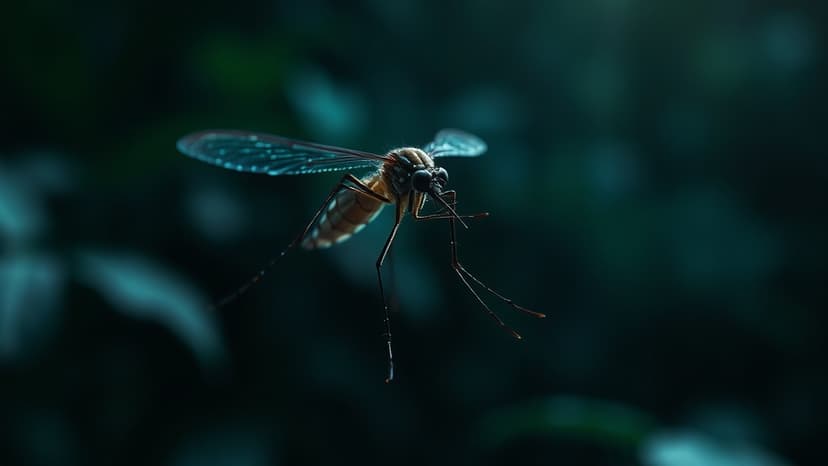
Pakistan faces a critical public health challenge with increasing annual dengue fever cases, prompting an advisory from the National Institute of Health (NIH). Surveillance data indicates a steady rise, with 33,394 laboratory-confirmed cases reported in 2025, following 24,182 in 2024 and 21,016 in 2023. The Aedes aegypti and Aedes albopictus mosquitoes, which breed in clean, stagnant water in urban areas, are the primary vectors. Transmission peaks during the monsoon and post-monsoon seasons, exacerbated by urbanization, poor waste management, and climate variability.
The NIH advisory emphasizes the need for enhanced surveillance, early detection of clusters, and adherence to standardized clinical protocols to maintain a fatality rate below 1 percent. Dengue, caused by four virus serotypes, can range from asymptomatic infections to severe illness, particularly in those previously infected. Early diagnosis and proper management are crucial. There is no specific antiviral treatment; management focuses on maintaining hydration and avoiding aspirin.
Prevention requires a coordinated, multi-sectoral effort. The health sector leads surveillance and case management, but collaboration with other departments is vital. Personal protection measures, including wearing long sleeves, using repellents, and installing mesh screens, are strongly recommended. Patients with mild illness should isolate at home, while seeking hospital care for any warning signs is advised.