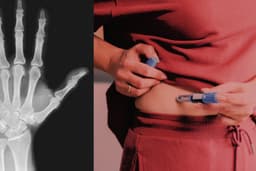
Home / Health / Beyond BMI: The Hidden Costs of Ozempic
Beyond BMI: The Hidden Costs of Ozempic
16 Mar
Summary
- Partner's cosmetic Ozempic use led to financial debt.
- Significant muscle mass loss and physical changes occurred.
- Relationship strain grew due to partner's drug use.
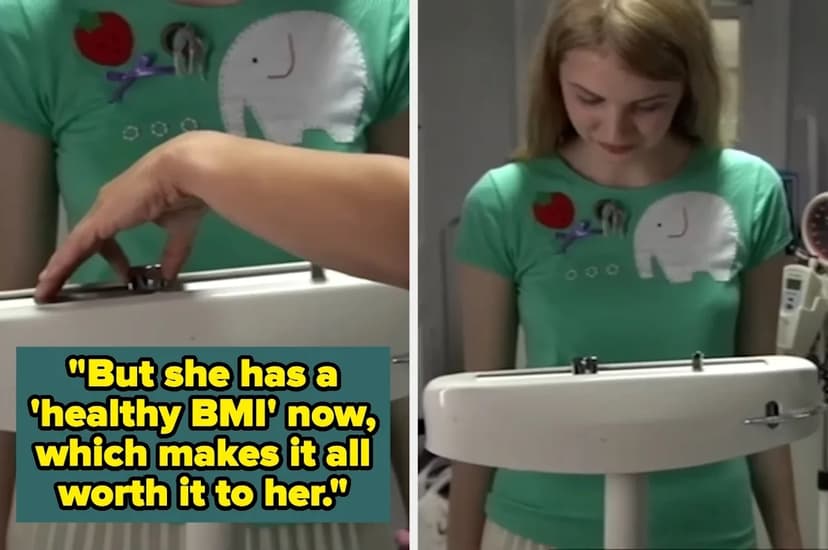
A viral Reddit post detailed the complex aftermath of a partner's two-year cosmetic use of Ozempic. Initially used to break a weight-loss plateau, the medication has led to unintended consequences. The partner, who was not prescribed the drug and is not diabetic or obese, now experiences a flat butt, wrinkly skin, and significant muscle mass loss, according to her doctor.
Financially, paying out-of-pocket for Ozempic has plunged the partner, despite a six-figure income, into debt. This contrasts sharply with her previous ability to save money. The physical and financial strain has deeply impacted the original poster, who expressed discomfort and thoughts of ending the relationship.
Commenters on the post highlighted concerns of body dysmorphia and eating disorders, urging therapy. The ease of obtaining GLP-1 medications through telehealth services, even without medical necessity, was also scrutinized. The discussion underscored the gap between the drugs' marketing as cosmetic solutions and their actual requirement for proper medical supervision and lifestyle support.
Experts and users alike emphasized that GLP-1s are not miracle cures. Preserving muscle mass requires consistent strength training and adequate protein intake, a commitment the partner has not made. The conversation surrounding the post reflects a broader societal reckoning with the pursuit of idealized body image, questioning what happens when chemical intervention replaces the necessary work of addressing underlying psychological factors.