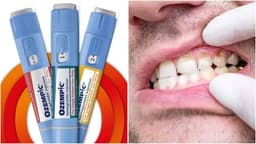
Home / Health / Ozempic's Hidden Dental Toll: Cavities Rising
Ozempic's Hidden Dental Toll: Cavities Rising
24 Feb
Summary
- Ozempic medication is linked to increased risk of cavities and tooth decay.
- Dry mouth, a side effect, significantly increases the risk of tooth decay.
- Acid reflux and vomiting can erode tooth enamel, weakening teeth over time.
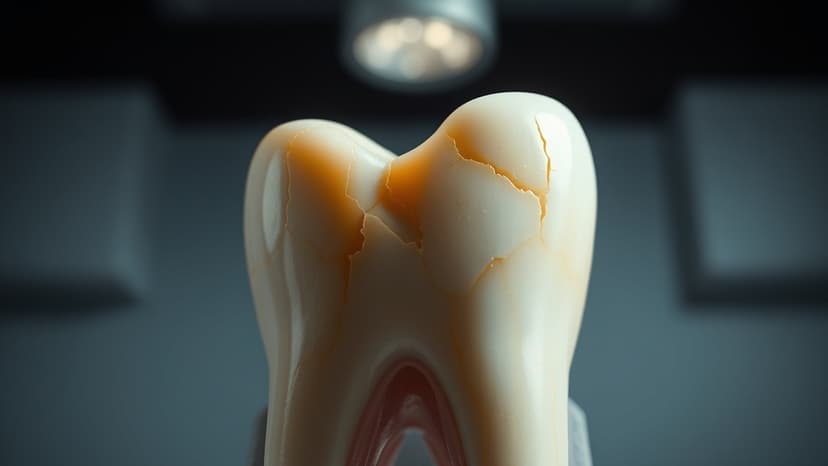
Dental professionals are increasingly observing a phenomenon they've informally termed 'Ozempic teeth,' linked to unintended oral health consequences for patients using the medication. While Ozempic is prescribed for type 2 diabetes and weight management, its side effects can indirectly impact dental well-being, leading to a rise in cavities and tooth decay.
Key contributing factors include dry mouth, a common side effect that diminishes saliva production. Saliva is crucial for neutralizing acids and clearing food particles, so its reduction elevates the risk of decay. Furthermore, some users experience nausea, vomiting, or acid reflux. Stomach acid that comes into contact with teeth can erode enamel over time, weakening them and increasing susceptibility to damage.
Other potential issues stemming from Ozempic use include changes in eating patterns and dehydration, both of which can exacerbate oral dryness and increase cavity risk. Dentists emphasize that 'Ozempic teeth' is not a formal diagnosis but a recognized pattern of side effects. Warning signs include persistent dry mouth, increased tooth sensitivity, bleeding gums, and a sudden rise in cavities.
Patients are advised to maintain rigorous oral hygiene, stay hydrated, chew sugar-free gum to stimulate saliva, and use fluoride treatments. It is crucial to inform both a dentist and physician about any oral health changes. Experts stress that medication should not be stopped without medical consultation, as a coordinated approach can safely manage side effects and protect dental health.