Home / Health / Transplant: More Than Medicine, It's Reclaiming Life
Transplant: More Than Medicine, It's Reclaiming Life
17 May
Summary
- Transplants restore life, not just prolong illness.
- Successful transplants allow ordinary life to return.
- Societal perception of recipients needs correction.
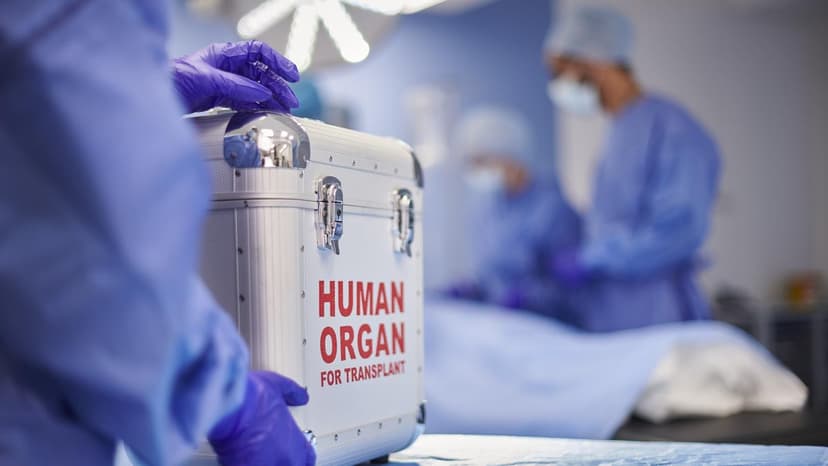
Organ transplantation represents a profound advancement in modern medicine, offering recipients a chance to reclaim their lives rather than merely prolonging illness. For individuals facing organ failure, daily existence often contracts, dominated by hospital visits and a sense of uncertainty about the future.
A successful transplant marks a turning point, enabling the return of everyday activities. Recipients can resume their roles as students, workers, and caregivers, signifying a return to normalcy and a renewed sense of purpose.
It is crucial to correct the societal perception that transplant recipients are permanently ill. While lifelong medical follow-up and immunosuppressant medication are necessary to prevent organ rejection, this vigilance does not equate to ongoing illness.
Furthermore, misconceptions about organ failure, often linked solely to lifestyle choices, need addressing. Many conditions leading to failure are due to congenital defects, autoimmune diseases, or infections, not personal choices.
The financial aspect of transplantation is also misunderstood. It is not exclusively a high-end option but a necessity pursued by families across all economic backgrounds, who may exhaust savings or seek public support to save a loved one.
The impact of a transplant extends beyond the individual, preserving family structures, restoring dignity, and contributing to the economy. Despite ongoing challenges like donor shortages, medical advancements continue to improve outcomes and possibilities.


