

Home / Health / Expert Warns: 'Skinny Jabs' Pose Financial and Health Risks
Expert Warns: 'Skinny Jabs' Pose Financial and Health Risks
30 Mar
Summary
- Weight loss drugs may have rare but serious side effects like vision loss.
- Many patients are 'non-responders' or regain weight after stopping.
- Obesity treatment funding clashes with other public health needs.
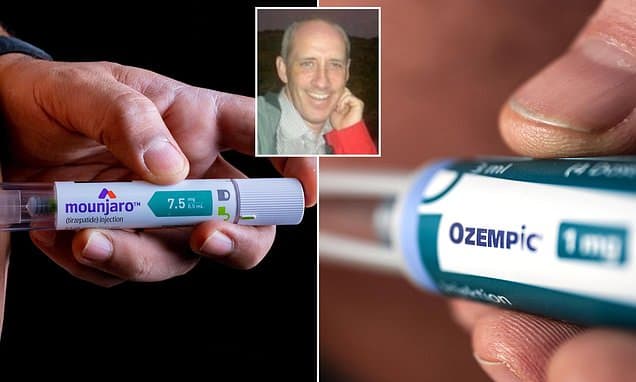
Professor Ray O'Connor of the University of Limerick is urging a shift away from medicalizing obesity treatment, citing concerns over the risks and costs associated with weight loss drugs. He questions whether the State can sustainably fund expensive medications like Ozempic and Wegovy, especially with rising global drug prices. O'Connor emphasized that while these drugs offer benefits for some, potential serious side effects such as permanent vision loss (affecting approximately one in ten thousand) and pancreatitis (one in a thousand) must be considered.
Furthermore, O'Connor pointed out that a significant number of individuals are 'non-responders,' with studies indicating weight regain within two years of discontinuation. He also noted common side effects like severe nausea. The expert advocates for a more holistic public health approach to obesity, stressing the need for improved dietary nutrition in schools and public awareness campaigns to manage expectations around these medications, rather than viewing them as a simple quick fix.
While acknowledging the potential benefits for conditions like kidney disease and cardiovascular issues, O'Connor stated that these drugs are becoming socially desirable for aesthetic reasons, overshadowing discussions about adverse effects. Professor Donal O'Shea, HSE's lead on obesity, affirmed the drugs' positive impact on many patients and their safe use in diabetes treatment for nearly two decades. He suggested that any funding for weight loss drugs should be paired with digitally accessible lifestyle programs to manage costs effectively and treat obesity as a disease.
