

Home / Health / Harlem Health Centers Face Funding Crisis
Harlem Health Centers Face Funding Crisis
29 Apr
Summary
- Community health centers in New York are concerned about funding uncertainty.
- These centers serve vulnerable populations and prevent health inequalities.
- State budget negotiations are ongoing, impacting essential healthcare services.
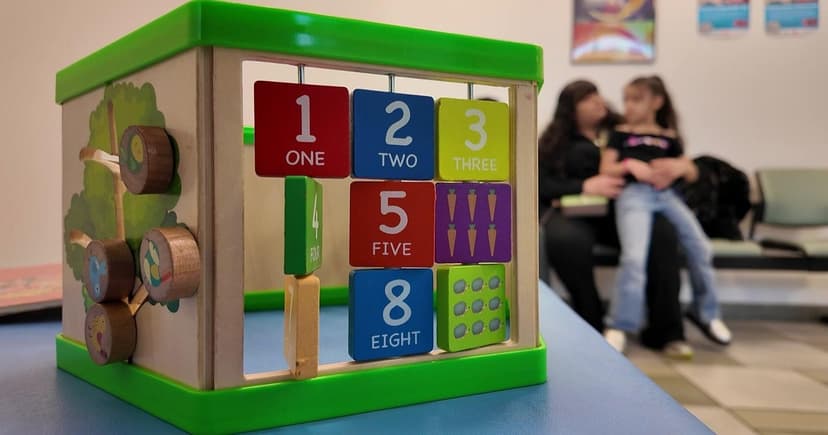
Neighborhood health centers serving New York's most vulnerable populations are expressing serious concerns due to the ongoing uncertainty surrounding state budget funding. These Federally Qualified Health Centers (FQHCs) are crucial for addressing health inequalities by providing accessible and affordable care to millions of New Yorkers, particularly those with lower incomes, no insurance, or limited English proficiency.
Boriken Neighborhood Health Center in East Harlem, a vital resource for families like Angelique Torres's, offers comprehensive services from pediatrics to specialized cardiovascular care. However, its CEO, Dr. Adam Aponte, reports that the center's future operations are threatened by delayed budget allocations. The state's proposed funding amounts are significantly lower than the $300 million estimated to be necessary for continued service provision across over 50 FQHCs statewide.
State Senator Cordell Cleare is actively advocating for increased funding, emphasizing that these accessible, culturally familiar centers save lives and promote healthier communities. Without adequate support, centers like Boriken may be forced to scale back services, potentially leading patients to rely more heavily on expensive emergency room visits and undermining preventive care efforts. The reimbursement rates for telehealth services provided by FQHCs also remain a concern.
Governor Kathy Hochul's office has stated a commitment to negotiating in good faith to pass a budget that protects healthcare access for all New Yorkers.
