feedzop-word-mark-logo
searchLogin
Feedzop
homeFor YouUnited StatesUnited States
You
bookmarksYour BookmarkshashtagYour Topics
Trending
trending

NFL playoff picture Week 15

trending

NHL threatens 2026 Olympics

trending

Nick Reiner killed his parents

trending

Snow causes school delays

trending

Pistons beat Atlanta Hawks

trending

Fallout Season 2 release earlier

trending

Steelers sign Valdes-Scantling

trending

NC State loses College Cup

trending

The Voice season finale

Terms of UsePrivacy PolicyAboutJobsPartner With Us

© 2025 Advergame Technologies Pvt. Ltd. ("ATPL"). Gamezop ® & Quizzop ® are registered trademarks of ATPL.

Gamezop is a plug-and-play gaming platform that any app or website can integrate to bring casual gaming for its users. Gamezop also operates Quizzop, a quizzing platform, that digital products can add as a trivia section.

Over 5,000 products from more than 70 countries have integrated Gamezop and Quizzop. These include Amazon, Samsung Internet, Snap, Tata Play, AccuWeather, Paytm, Gulf News, and Branch.

Games and trivia increase user engagement significantly within all kinds of apps and websites, besides opening a new stream of advertising revenue. Gamezop and Quizzop take 30 minutes to integrate and can be used for free: both by the products integrating them and end users

Increase ad revenue and engagement on your app / website with games, quizzes, astrology, and cricket content. Visit: business.gamezop.com

Property Code: 5571

Home / Health / Don't Ignore Nighttime BP: It Signals Danger

Don't Ignore Nighttime BP: It Signals Danger

9 Dec

•

Summary

  • Nighttime blood pressure spikes are called nocturnal hypertension.
  • Stress, poor sleep, and lifestyle habits cause high night BP.
  • Nighttime BP is a stronger predictor of heart and kidney issues.
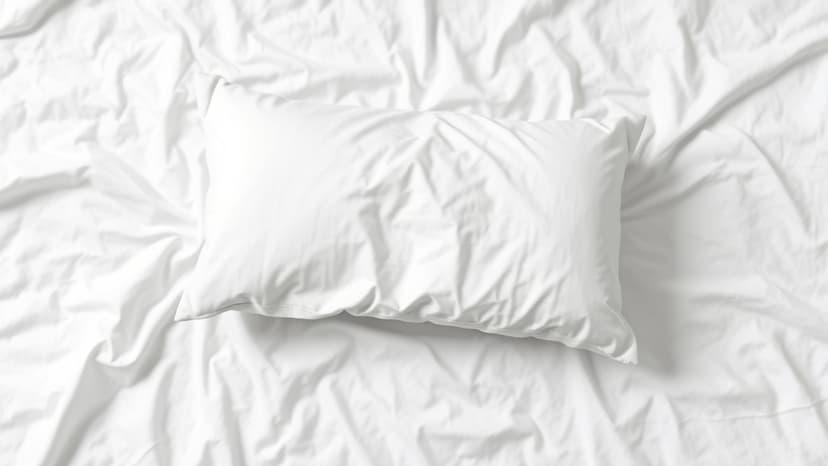
Don't Ignore Nighttime BP: It Signals Danger

A natural decline in blood pressure during sleep is vital for overall health. When blood pressure fails to dip or actually rises at night, a condition known as nocturnal hypertension, it warrants immediate medical evaluation. This phenomenon can be triggered by persistent stress, leading to continuous secretion of stress hormones that elevate blood pressure.

Compromised sleep quality, including insomnia and sleep apnea where breathing repeatedly stops, can also cause significant nighttime blood pressure surges. Lifestyle factors such as late, heavy meals, high-salt intake, excessive caffeine or alcohol consumption, and smoking in the evening are also common culprits. Even poorly timed medication can contribute to inadequate overnight coverage.

Underlying medical conditions like an overactive thyroid, kidney disorders, hormonal imbalances, obesity, or chronic nasal congestion can predispose individuals to nocturnal hypertension. Experts emphasize that nighttime blood pressure readings are more predictive of cardiovascular and kidney complications than daytime measurements, making these elevated numbers a critical health concern that should not be ignored.

Disclaimer: This story has been auto-aggregated and auto-summarised by a computer program. This story has not been edited or created by the Feedzop team.
Nocturnal hypertension refers to elevated blood pressure readings at night, instead of the expected natural dip, requiring medical attention.
Nighttime blood pressure spikes can be caused by stress, poor sleep quality, sleep apnea, lifestyle choices, or underlying medical conditions.
Conditions like overactive thyroid, kidney disorders, hormonal imbalance, obesity, and chronic nasal congestion can contribute to nighttime hypertension.

Read more news on

Healthside-arrow

You may also like

Winter Sleep Woes: Chilly Rooms Disrupt Deep Sleep

1 day ago • 5 reads

article image

23-Year-Old's Blood Pressure Skyrockets to Danger Zone

1 day ago • 6 reads

article image

Pregnancy Hypertension: 5 Alarming Signs to Watch

1 day ago • 13 reads

Cold Weather, Hot Hearts: Winter Cardiac Risks Rise

13 Dec • 31 reads

article image

Expert's 2-Word Tip: 'Get Moving' for Lower Blood Pressure

6 Dec • 69 reads

article image