Home / Health / Pharmacists: The New Front Door to the NHS?
Pharmacists: The New Front Door to the NHS?
8 Mar
Summary
- Pharmacists are becoming the NHS's new front door, offering more community-based care.
- The Pharmacy First scheme allows pharmacists to supply prescription medicines for seven conditions.
- Underfunding threatens the expansion of community pharmacy services, risking closures.
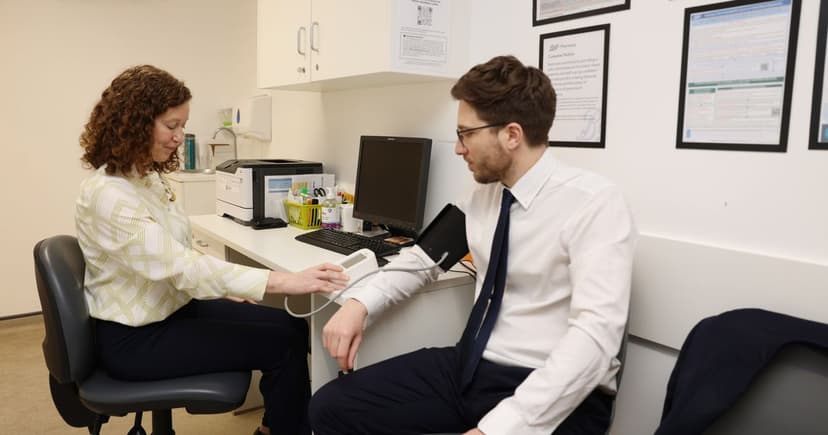
The National Health Service (NHS) is undergoing a significant shift, aiming to move care from hospitals to local communities, with pharmacists positioned as the new 'front door'. This vision, championed by Health Secretary Wes Streeting, anticipates that within a decade, much of current hospital care will be delivered on the high street, within pharmacies and local health centers.
Pharmacists are increasingly trained to prescribe medications on behalf of the NHS. Through initiatives like the Pharmacy First scheme in England, they are authorized to supply prescription-only medicines for seven common conditions, including sinusitis, sore throat, and urinary tract infections, without requiring a GP appointment. This expansion is seen as a vital step to alleviate pressure on GPs and A&E services.
Historically, pharmacists focused on dispensing medications. However, with automation handling much of this work, their roles have evolved to include patient consultations traditionally associated with GPs. Many pharmacists have undertaken additional qualifications to prescribe for a wider range of conditions, though they are often limited to private prescriptions outside of specific NHS schemes.
This strategic shift towards community-based care has been an aspiration since a 2008 review, aiming for more cost-effective and accessible healthcare. Despite past attempts and the current government's commitment, the sector warns that underfunding poses a significant risk to this ambition. Record numbers of pharmacies have closed in the last decade, with many struggling financially, potentially jeopardizing the future of these essential community health resources.
The government acknowledges the vital role of pharmacies, stating that they are central to the shift towards community-based care. They have increased community pharmacy funding and outlined plans for these services to play a key role in delivering neighborhood health services, ensuring more people receive care closer to home and freeing up GP appointments.