Home / Health / NHS Plea: Save 999 for True Emergencies
NHS Plea: Save 999 for True Emergencies
27 Nov, 2025
Summary
- NHS urges public to avoid calling 999 for non-urgent symptoms like colds or flu.
- Ambulance incidents and A&E attendances have reached record highs for October.
- Call 999 for chest pains or breathing difficulties; use 111 for advice.
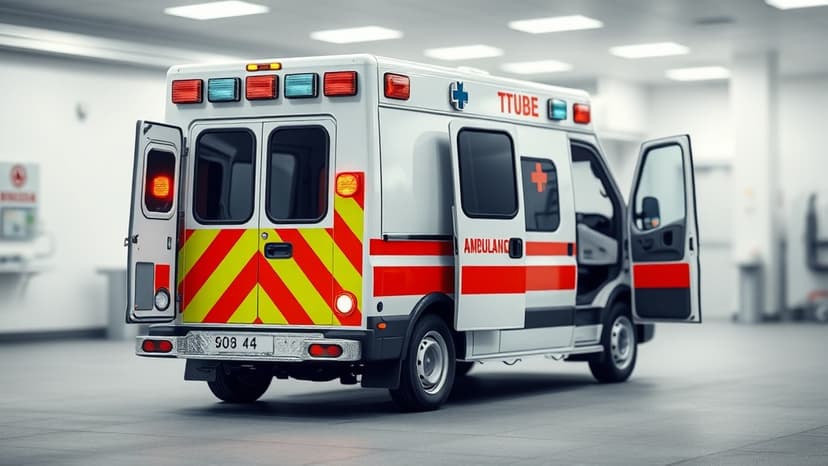
With ambulance services and A&E departments facing unprecedented demand, NHS England is issuing a critical warning against calling 999 for non-urgent symptoms. October saw record numbers of A&E attendances and ambulance incidents, straining resources significantly. The public is being asked to consider alternatives for common illnesses.
Paramedics emphasize that flu symptoms, while uncomfortable, typically do not require an emergency call. They advise self-care measures like rest, hydration, and over-the-counter medication. For medical guidance, NHS 111 is the recommended resource. However, 999 remains vital for serious conditions, including chest pain or breathing problems.
Individuals at higher risk, such as the elderly or those with chronic health conditions, are encouraged to seek urgent GP appointments or dial 111. If flu symptoms escalate to chest pain, breathing difficulties, or coughing up blood, immediate emergency assistance should be sought, preferably by not driving oneself to A&E.