

Home / Health / Newborn Jaundice: What Every Parent Needs to Know
Newborn Jaundice: What Every Parent Needs to Know
3 Apr
Summary
- Jaundice causes yellowing of skin and eyes due to excess bilirubin.
- Newborns are at higher risk due to more red cells and immature livers.
- Daily monitoring is crucial as bilirubin peaks between 3 to 5 days after birth.
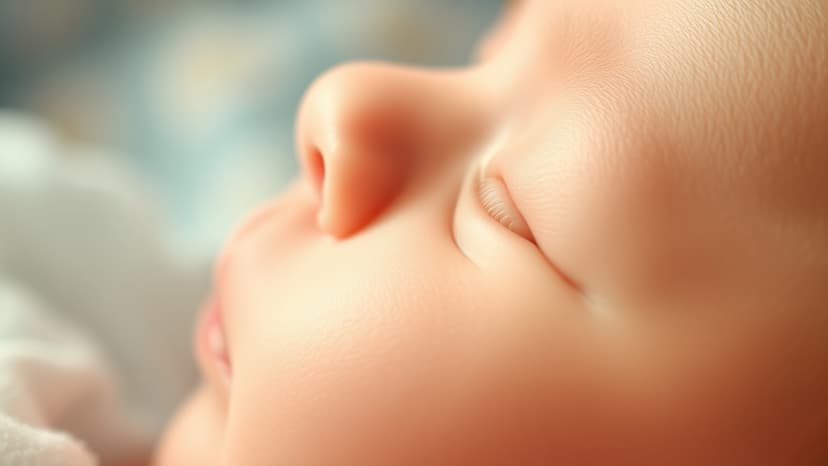
Jaundice in newborns is a common condition characterized by yellowing of the skin and eyes, stemming from elevated bilirubin levels in the blood. This occurs because newborns often have a higher count of red blood cells, which break down more rapidly, and their livers are not yet fully developed to efficiently process bilirubin. Before birth, the mother's liver handles this process, but after delivery, the baby's liver needs time to take over.
This condition affects approximately 60% of full-term and 80% of premature infants within their first week of life. Bilirubin levels typically reach their peak between the third and fifth day after birth. It is crucial for medical professionals and parents to monitor these levels closely, as rapid increases can lead to kernicterus, a severe condition causing permanent neurological damage if left untreated.
Effective management includes frequent feedings to promote the excretion of bilirubin through bowel movements and, in moderate cases, phototherapy using special lights. Parents are advised to seek medical attention if their baby exhibits excessive sleepiness, difficulty feeding, or inadequate weight gain. A follow-up appointment with a doctor two days after hospital discharge is recommended to ensure bilirubin levels have decreased as the baby's liver matures.
