Home / Health / Newborn's Head Saved by Early Hydrocephalus Diagnosis
Newborn's Head Saved by Early Hydrocephalus Diagnosis
16 Feb
Summary
- Congenital hydrocephalus detected in late pregnancy allowed immediate postnatal treatment.
- A shunt implantation successfully drained excess fluid and relieved brain pressure.
- Early diagnosis was crucial for preventing irreversible neurological damage in the infant.
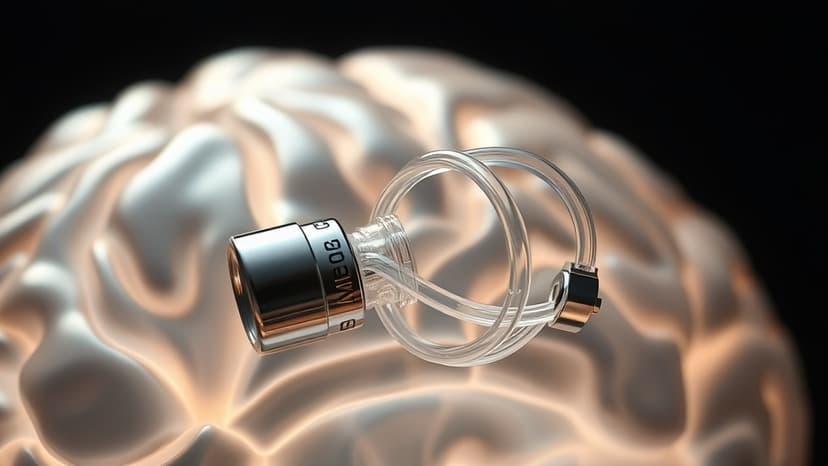
Congenital hydrocephalus, a condition present at birth, was diagnosed in a newborn during the final trimester of pregnancy. This timely detection at Manipal Hospital, Dwarka, enabled the medical team to prepare for immediate postnatal treatment.
The condition, characterized by excess fluid accumulation in the brain and increased intracranial pressure, can lead to serious neurological damage if untreated. Doctors recommended a fetal MRI and parental counseling upon diagnosis.
Following delivery, the infant was closely monitored in the Neonatal Intensive Care Unit. Surgeons then performed a delicate procedure to implant a programmable ventriculoperitoneal shunt. This device effectively drains excess fluid, alleviating pressure on the brain.
Dr. Anurag Saxena highlighted that early diagnosis was the "biggest advantage," allowing for advance surgical planning. He noted the inherent challenges of neonatal neurosurgery due to the infant's delicate anatomy and physiological complexities.
The baby demonstrated a stable recovery in the NICU, with Consultant Neonatologist Dr. Meenu Grewal confirming no post-operative complications. Early intervention was key to significantly reducing the risk of long-term health issues.