Home / Health / New Drug Melts Fat Without Appetite Loss
New Drug Melts Fat Without Appetite Loss
3 Sep
Summary
- TOFA compound boosts energy expenditure, not appetite.
- Mice lost 18% body weight, preserving muscle mass.
- Drug shows promise for fatty liver disease (MASH).
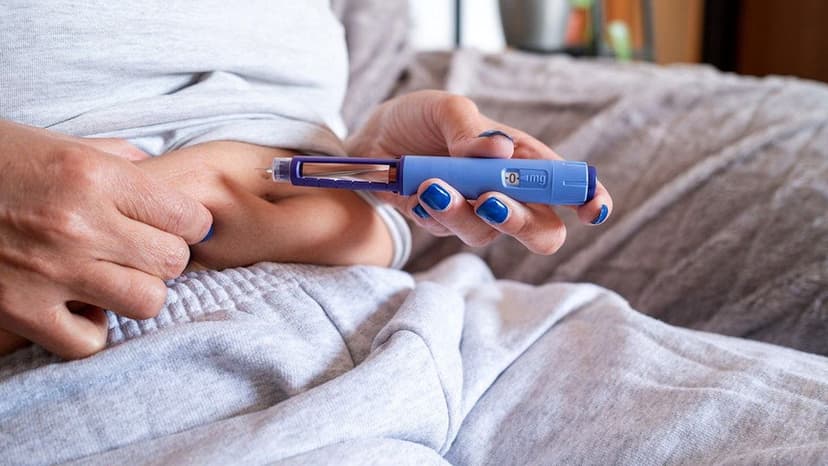
A compound known as TOFA has demonstrated substantial weight loss in obese mice, primarily by increasing energy expenditure rather than reducing appetite. This approach offers a potential advantage over existing weight-loss medications that can sometimes lead to loss of lean muscle mass. The research, conducted by scientists at the University of California, Berkeley, found that TOFA reduced body weight by an average of 18% in mice without altering their food intake or causing significant lean mass loss.
TOFA works by targeting enzymes involved in lipid production and activating genes for fat burning. Treated mice burned up to 18% more energy under various temperature conditions without becoming less active. When combined with existing obesity drugs like semaglutide, TOFA enhanced weight reduction and improved metabolic markers more effectively than the drugs alone. Notably, mice treated with TOFA maintained their weight after treatment cessation, unlike those previously given semaglutide who regained weight rapidly.
The compound also showed therapeutic potential for metabolic dysfunction-associated steatohepatitis (MASH), a form of fatty liver disease. In mouse models, TOFA reduced liver fat, inflammation, and fibrosis without increasing blood triglyceride levels, a benefit over some other metabolic drugs. However, all experiments were conducted on male mice, and further research is required to ascertain efficacy and safety in female animals and humans. Clinical trials are pending to determine appropriate dosages, long-term safety, and potential side effects in people.


