Home / Health / Tiny Tumors Found: Revolution in Lung Cancer MRI
Tiny Tumors Found: Revolution in Lung Cancer MRI
16 Sep
Summary
- Experimental MRI agent detects tumors as small as 1mm.
- Protein-based agent targets collagen in aggressive lung tumors.
- J&J's Caplyta improved sexual dysfunction in depression patients.
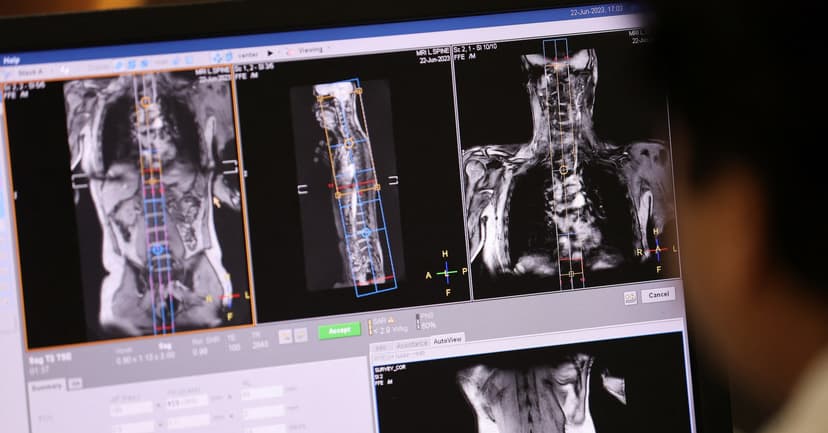
A groundbreaking experimental contrast agent for MRI scans may revolutionize lung cancer detection. Developed by InLighta BioSciences, the protein-based agent, hProCA32.Collagen2, has shown in animal studies the ability to identify lung tumors and metastases as small as 1 millimeter. This advancement offers the potential to diagnose lung cancer at much earlier stages, when treatment options are more plentiful.
The new imaging agent targets collagen type I, a protein present in higher levels in aggressive lung tumors and metastatic lesions. Beyond early detection, this technology could aid in assessing cancer aggressiveness and predicting spread, potentially reducing the need for invasive biopsies. Researchers believe it may also help personalize cancer treatment by monitoring collagen remodeling and therapy response.
In a separate development, Johnson & Johnson's antidepressant Caplyta has shown significant efficacy in improving sexual dysfunction related to major depressive disorder. In a late-stage trial, adding Caplyta to existing antidepressant therapy resulted in notable improvements in sexual function for patients experiencing these side effects, which are a common reason for treatment discontinuation.


