Home / Health / Glioblastoma Hope: Experimental Cell Therapy Shows Promise
Glioblastoma Hope: Experimental Cell Therapy Shows Promise
21 Mar
Summary
- Experimental cell therapy trains the immune system to fight cancer.
- Around 88% of participants in the trial are alive after one year.
- Patient Jeremy Herschaft is alive 15 months post-diagnosis.

Glioblastoma (GBM), a particularly aggressive form of brain cancer, has historically offered limited treatment options and poor prognoses. However, an experimental cell therapy developed at UT Health Houston is now showing significant promise.
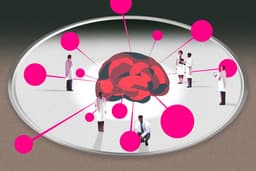
This innovative treatment is derived from a patient's own tumor tissue. It works by training the individual's immune system to identify and combat the cancerous cells effectively.
Early results from a Phase 1 trial are exceptionally encouraging. Approximately 88% of participants in this initial group were still alive one year after treatment began. This statistic offers a beacon of hope for those diagnosed with GBM.
One notable success is Jeremy Herschaft, who was diagnosed with GBM in December 2024. Against grim initial expectations, he has now survived for 15 months post-diagnosis and is actively participating in life. Herschaft expressed gratitude for the experimental therapy, stating he would likely not be alive without it.
While Herschaft is not considered cured, his participation in the trial has provided valuable data that could help future patients. He shared a sentiment of hope and purpose, finding beauty in the potential of his experience to assist others.
Researchers, including Professor Jay-Jiguang Zhu and Professor Niltin Tandon from UT Health Houston, express excitement about this new therapeutic avenue. They believe that stimulating a patient's immune system against their own tumor cells is a critical step forward in fighting GBM.