feedzop-word-mark-logo
searchLogin
Feedzop
homeFor YouUnited StatesUnited States
You
bookmarksYour BookmarkshashtagYour Topics
Trending
Terms of UsePrivacy PolicyAboutJobsPartner With Us

© 2026 Advergame Technologies Pvt. Ltd. ("ATPL"). Gamezop ® & Quizzop ® are registered trademarks of ATPL.

Gamezop is a plug-and-play gaming platform that any app or website can integrate to bring casual gaming for its users. Gamezop also operates Quizzop, a quizzing platform, that digital products can add as a trivia section.

Over 5,000 products from more than 70 countries have integrated Gamezop and Quizzop. These include Amazon, Samsung Internet, Snap, Tata Play, AccuWeather, Paytm, Gulf News, and Branch.

Games and trivia increase user engagement significantly within all kinds of apps and websites, besides opening a new stream of advertising revenue. Gamezop and Quizzop take 30 minutes to integrate and can be used for free: both by the products integrating them and end users

Increase ad revenue and engagement on your app / website with games, quizzes, astrology, and cricket content. Visit: business.gamezop.com

Property Code: 5571

Home / Health / Drug Repurposed: From Alcohol to Addiction Cure?

Drug Repurposed: From Alcohol to Addiction Cure?

15 Jan

•

Summary

  • Naltrexone, an alcohol dependence drug, shows promise for compulsive behaviors.
  • It works by blocking brain opioid receptors, reducing cravings and pleasure.
  • Medication combined with therapy offers best outcomes for addiction.
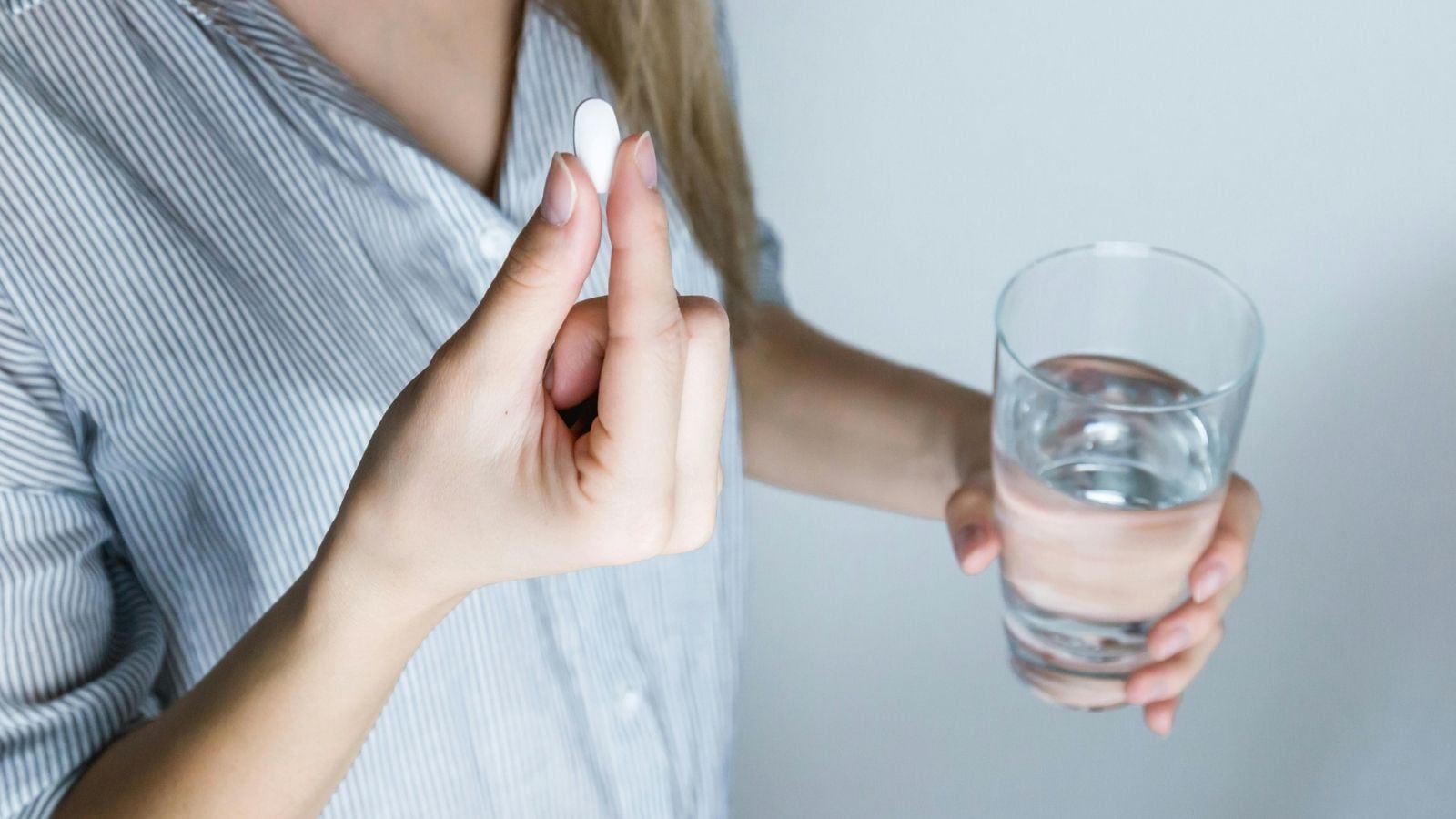
Drug Repurposed: From Alcohol to Addiction Cure?

Medications originally developed for alcohol dependence are now showing potential in treating various compulsive behaviors. Naltrexone, a drug that blocks the brain's natural opioid receptors, is at the forefront of this research. By preventing the activation of reward pathways, it can significantly reduce cravings and the rewarding sensations associated with addictions.

Emerging studies suggest Naltrexone's efficacy extends beyond alcohol use disorder to conditions like gambling disorder, compulsive shopping, and internet addiction. These behavioral addictions often share common neurobiological pathways with substance use disorders. Preliminary findings indicate that Naltrexone may help individuals manage impulses and regulate emotions contributing to these behaviors.

While Naltrexone offers promising therapeutic avenues, it is not a standalone solution. Optimal outcomes are achieved when the medication is used in conjunction with psychotherapy, behavioral interventions, and long-term follow-up. This integrated approach, combined with careful patient selection and medical supervision, empowers individuals to regain control and support lasting recovery.

trending

Winter storm closes schools

trending

China bans Broadcom cybersecurity

trending

Verizon offers outage credit

trending

ShakeAlert false earthquake alert

trending

McConaughey protects image, voice

trending

Tionne Gray to Notre Dame

trending

USAF jet causes sonic boom

trending

Kuminga demands trade from Warriors

trending

New RFK Stadium renderings

Disclaimer: This story has been auto-aggregated and auto-summarised by a computer program. This story has not been edited or created by the Feedzop team.
Yes, emerging research suggests Naltrexone may help reduce urges associated with compulsive shopping and other behavioral addictions.
Naltrexone blocks opioid receptors in the brain, reducing the pleasurable effects and cravings associated with alcohol and other addictive behaviors.
No, Naltrexone is most effective when combined with psychotherapy, behavioral interventions, and ongoing support for addiction recovery.

Read more news on

Healthside-arrow

You may also like

Text Alerts Save Lives in Drug Crisis

9 Jan • 37 reads

Naltrexone: New Hope for Cutting Alcohol Cravings?

7 Jan • 36 reads

article image

Warning: Potent Opioid Found in Street "Percocet"

6 Jan • 50 reads

article image

New Drug Overwhelms Pittsburgh ERs with Violent Patients

23 Dec, 2025 • 126 reads

article image

GLP-1 Drugs Show No Cancer Risk Reduction

10 Dec, 2025 • 177 reads