Home / Health / Nail Spots: Your Body's Hidden Health Clues
Nail Spots: Your Body's Hidden Health Clues
24 May
Summary
- Nails can indicate internal health, chronic disease, and inflammation.
- Leukonychia is the medical term for white nail changes.
- Persistent nail abnormalities require medical assessment.
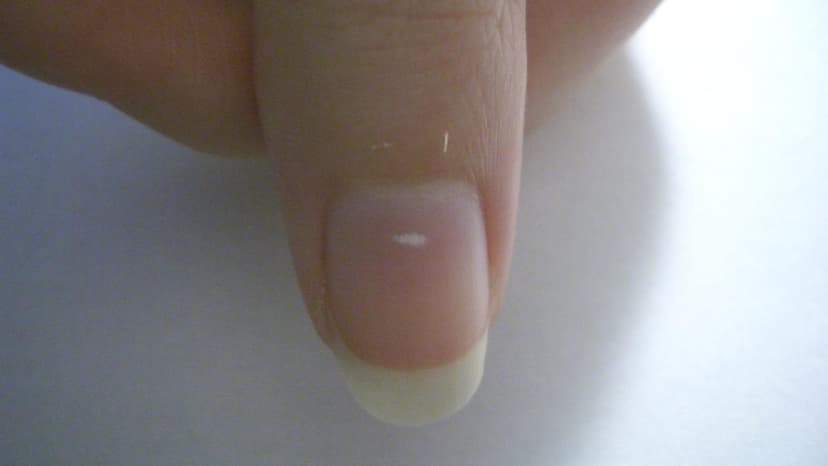
Nails serve as a subtle indicator of overall health, reflecting nutritional status, chronic diseases, and systemic inflammation. The medical term for white nail changes is leukonychia, which can manifest as spots, bands, or diffuse whitening. While many cases stem from minor trauma like nail biting or aggressive manicures, persistent or widespread abnormalities should be evaluated.
Dermatologists note that nails are like a slow health diary, with changes developing gradually. Tiny white dots, often from trauma to the nail matrix, are usually harmless and grow out. However, other patterns like Mees lines (associated with arsenic poisoning or severe infections) and Muehrcke lines (linked to low protein levels) are more clinically significant.
Nutritional deficiencies, particularly iron, zinc, and protein, can also affect nail appearance. Spoon-shaped nails (koilonychia) suggest iron deficiency anemia, while brittle nails may indicate protein-energy malnutrition. Systemic diseases like liver cirrhosis (Terry's nails) and chronic kidney disease (Lindsay's nails) also present with distinct nail patterns.
Warning signs include persistent changes, multiple nails affected, or abnormalities that do not grow out with the nail. Associated symptoms like fatigue or unexplained weight loss should prompt medical consultation. Consulting a dermatologist for persistent or progressive nail changes is advised, as they can offer crucial clues to underlying health conditions.


