Home / Health / MS Protein Breakthrough Offers New Hope
MS Protein Breakthrough Offers New Hope
17 Sep
Summary
- Restoring neuregulin-1 may repair brain tissue in MS.
- Nrg-1 protein levels were found to be lower in MS-affected brains.
- Human clinical trials are the next planned step for the treatment.
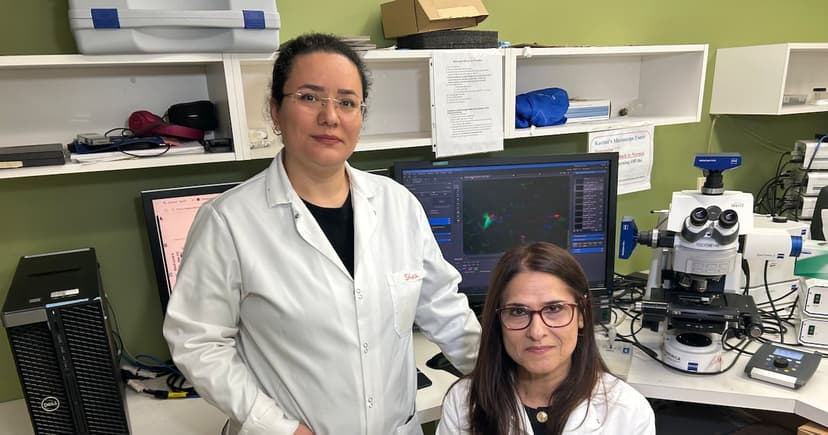
Researchers at the University of Manitoba have identified a promising new therapeutic strategy for progressive multiple sclerosis (MS) involving the brain protein neuregulin-1 (Nrg-1). They found that Nrg-1 levels are depleted in brain areas affected by progressive MS.
In preclinical studies, restoring Nrg-1 levels demonstrated potential to repair damaged brain tissue and myelin. This approach also showed signs of improving cognitive function and mobility in animal models. Current treatments for MS primarily address inflammation and immune responses, but do not typically protect nerve cells or repair existing damage.
Dr. Soheila Karimi, the lead researcher, highlighted that this discovery is significant because it offers a new avenue for treatment, particularly for progressive stages of MS where options are limited. The team is now focused on preparing for human clinical trials.
MS Canada acknowledged the findings, stating that if replicated in humans, this research could bring solutions for reversing disease progression closer to reality. The disease impacts an estimated 90,000 Canadians, with Manitoba having one of the highest rates in the country.


