feedzop-word-mark-logo
searchLogin
Feedzop
homeFor YouUnited StatesUnited States
You
bookmarksYour BookmarkshashtagYour Topics
Trending
Terms of UsePrivacy PolicyAboutJobsPartner With Us

© 2026 Advergame Technologies Pvt. Ltd. ("ATPL"). Gamezop ® & Quizzop ® are registered trademarks of ATPL.

Gamezop is a plug-and-play gaming platform that any app or website can integrate to bring casual gaming for its users. Gamezop also operates Quizzop, a quizzing platform, that digital products can add as a trivia section.

Over 5,000 products from more than 70 countries have integrated Gamezop and Quizzop. These include Amazon, Samsung Internet, Snap, Tata Play, AccuWeather, Paytm, Gulf News, and Branch.

Games and trivia increase user engagement significantly within all kinds of apps and websites, besides opening a new stream of advertising revenue. Gamezop and Quizzop take 30 minutes to integrate and can be used for free: both by the products integrating them and end users

Increase ad revenue and engagement on your app / website with games, quizzes, astrology, and cricket content. Visit: business.gamezop.com

Property Code: 5571

Home / Health / Sudden Wake-Ups Trigger Heart Attacks

Sudden Wake-Ups Trigger Heart Attacks

9 Dec, 2025

Summary

  • Morning hours (6-10 am) see most heart attacks in young people.
  • Erratic sleep and work pressure disrupt the body's natural 24-hour clock.
  • Immediate phone use upon waking heightens heart attack risk.
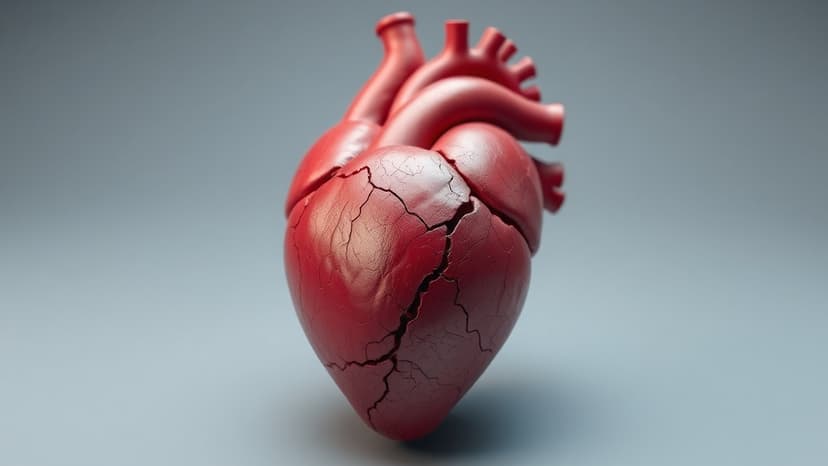
Sudden Wake-Ups Trigger Heart Attacks

Early morning hours, specifically between 6 am and 10 am, are a critical period for heart health, with a significant number of heart attacks occurring in younger individuals during this time. This heightened risk is often linked to a disruption in the body's natural 24-hour internal clock, known as the circadian rhythm, which governs sleep-wake cycles and hormone regulation.

Upon waking, the body naturally releases stress hormones like cortisol and adrenaline, preparing for the day. However, immediate engagement with stimulating content, such as work emails or news alerts via cellphones, can prematurely activate the 'fight or flight' response. This, combined with poor sleep, causes these hormones to remain elevated, constricting arteries and disrupting blood flow, especially when coupled with other stressors like immediate workouts.

To minimize morning heart attack risk, experts recommend gradually waking up, hydrating with water, and avoiding cellphones for at least 30 minutes. Long-term strategies include ensuring 7-8 hours of sleep, maintaining a balanced diet, regular moderate exercise, and avoiding smoking and excessive alcohol. Waking up peacefully, rather than to immediate digital distractions, is crucial for cardiovascular well-being.


Disclaimer: This story has been auto-aggregated and auto-summarised by a computer program. This story has not been edited or created by the Feedzop team.
Mornings between 6-10 am are critical due to the body's natural stress hormone surge, potential dehydration, and increased blood platelet aggregation, making arteries more vulnerable.
Immediately checking phones for work or news can trigger a 'fight or flight' response, exacerbating morning stress hormone levels and impacting cardiovascular health.
Prioritizing 7-8 hours of sleep, staying hydrated, warming up gradually for exercise, and avoiding phone use for 30 minutes after waking are key preventive measures.

Read more news on

Healthside-arrow

You may also like

Night Owls Face Higher Heart Attack, Stroke Risk

30 Jan • 57 reads

article image

Blood Pressure Crisis: 208/93 Reading Needs Emergency Care

15 Jan • 93 reads

article image
•
trending

Islamabad suicide blast kills 31

trending

Vaibhav Suryavanshi scores 175

trending

Ronaldo trains with Al Nassr

trending

MRF profit doubles

trending

VTU adopts Artificial Super Intelligence

trending

RajaSaab OTT release on JioHotstar

trending

T20 World Cup opening ceremony

trending

Thakur captains Mumbai in Quarterfinal

trending

Riyan Parag scores fifty

Stress, Sleep Loss Kill Doctors: What We Miss

1 Jan • 147 reads

article image

Night Shift Linked to Aggressive Breast Cancer

26 Dec, 2025 • 209 reads

article image

Cold Weather, Hot Hearts: Winter Cardiac Risks Rise

13 Dec, 2025 • 288 reads

article image