feedzop-word-mark-logo
searchLogin
Feedzop
homeFor YouUnited StatesUnited States
You
bookmarksYour BookmarkshashtagYour Topics
Trending
trending

S&P 500 index rises

trending

Larry Ellison guarantees Paramount bid

trending

Janus Henderson bought for $7.4B

trending

Conduent launches transit EMV system

trending

South Africa vs Angola AFCON

trending

Napoli vs Bologna Supercoppa

trending

Arizona tops AP poll

trending

Porto eyes Primeira Liga lead

trending

Genclerbirligi defeats Trabzonspor 4-3

Terms of UsePrivacy PolicyAboutJobsPartner With Us

© 2025 Advergame Technologies Pvt. Ltd. ("ATPL"). Gamezop ® & Quizzop ® are registered trademarks of ATPL.

Gamezop is a plug-and-play gaming platform that any app or website can integrate to bring casual gaming for its users. Gamezop also operates Quizzop, a quizzing platform, that digital products can add as a trivia section.

Over 5,000 products from more than 70 countries have integrated Gamezop and Quizzop. These include Amazon, Samsung Internet, Snap, Tata Play, AccuWeather, Paytm, Gulf News, and Branch.

Games and trivia increase user engagement significantly within all kinds of apps and websites, besides opening a new stream of advertising revenue. Gamezop and Quizzop take 30 minutes to integrate and can be used for free: both by the products integrating them and end users

Increase ad revenue and engagement on your app / website with games, quizzes, astrology, and cricket content. Visit: business.gamezop.com

Property Code: 5571

Home / Health / Microwaving Plastics Unleashes Billions of Toxic Particles, Experts Warn

Microwaving Plastics Unleashes Billions of Toxic Particles, Experts Warn

31 Oct

•

Summary

  • Microwaving plastic baby bottles releases over 2 billion nanoplastics and 4 million microplastics per square centimeter
  • Experts warn of unknown health impacts from ingesting these synthetic materials
  • Researchers urge FDA to be more proactive in regulating microplastic exposure
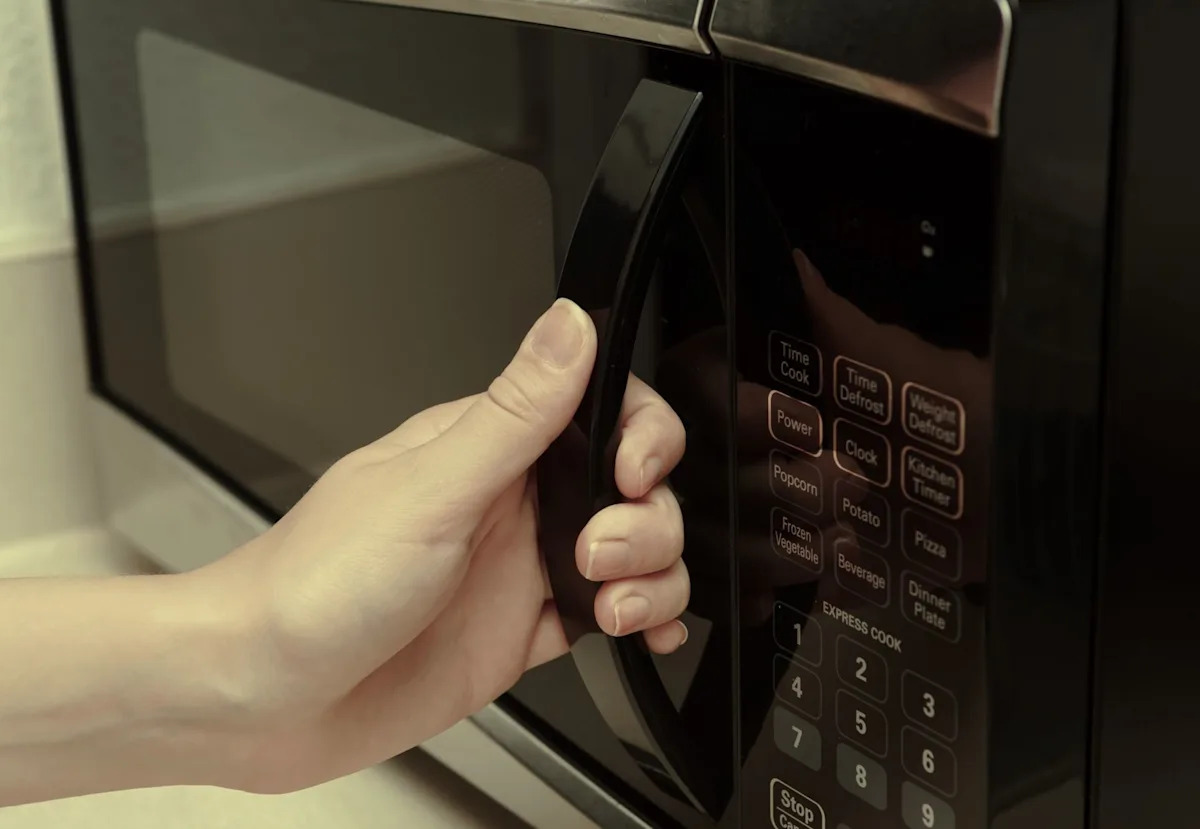
Microwaving Plastics Unleashes Billions of Toxic Particles, Experts Warn

In a concerning new study published last month, researchers at the University of Nebraska have found that microwaving plastic baby bottles can unleash hordes of tiny plastic particles. The team, led by Kazi Albab Hussain, discovered that a single 3-minute microwaving session can release over 2 billion nanoplastics and 4 million microplastics per square centimeter.

These microscopic plastic fragments have been detected everywhere from the highest mountain peaks to the deepest ocean trenches. Alarmingly, experts still don't fully understand how these synthetic materials may be impacting human health. "Even this one study should be a wake-up call -- not just to new parents but to the FDA," warned Judith Enck, a former EPA administrator.


Hussain, who became a new father during the course of the study, said he was unable to completely avoid using plastic for his own child, but tried to limit scenarios that caused more plastic particle release. He hopes future products will be labeled "microplastics-free" or "nanoplastics-free" to help consumers make informed choices. In the meantime, the researchers recommend alternatives like glass baby bottles, edible food wraps, and compostable coffee pods to avoid these invisible plastic infiltrators.

Disclaimer: This story has been auto-aggregated and auto-summarised by a computer program. This story has not been edited or created by the Feedzop team.
Researchers at the University of Nebraska found that microwaving plastic baby bottles can release over 2 billion nanoplastics and 4 million microplastics per square centimeter.
Experts are still studying the long-term health effects of ingesting these tiny plastic particles, but warn that the impacts could be serious. The study found that exposure to the microplastics released during the experiment killed about 75% of kidney cells.
Kazi Albab Hussain, who became a new father during the study, said he tried to limit using plastic products that released more microplastics and nanoplastics. He hopes future products will be labeled "microplastics-free" or "nanoplastics-free" to help consumers make safer choices.

Read more news on

Healthside-arrow

You may also like

Rutgers AD's Wife Files for Divorce Amid Scandal

6 Dec • 84 reads

article image

Climate Change Drives 18% Surge in Dengue Fever Cases Globally

17 Nov • 191 reads

article image

Single Mom Battles Rare Jaw Cancer, Fights for Life

17 Nov • 185 reads

article image

Vaping Epidemic Hits Youth: Experts Warn of Long-Term Cognitive Impacts

13 Nov • 158 reads

article image

Iowa Expands Bioindustrial Manufacturing with $40M BioMADE Facility

15 Nov • 138 reads

article image