feedzop-word-mark-logo
searchLogin
Feedzop
homeFor YouUnited StatesUnited States
You
bookmarksYour BookmarkshashtagYour Topics
Trending
Terms of UsePrivacy PolicyAboutJobsPartner With Us

© 2026 Advergame Technologies Pvt. Ltd. ("ATPL"). Gamezop ® & Quizzop ® are registered trademarks of ATPL.

Gamezop is a plug-and-play gaming platform that any app or website can integrate to bring casual gaming for its users. Gamezop also operates Quizzop, a quizzing platform, that digital products can add as a trivia section.

Over 5,000 products from more than 70 countries have integrated Gamezop and Quizzop. These include Amazon, Samsung Internet, Snap, Tata Play, AccuWeather, Paytm, Gulf News, and Branch.

Games and trivia increase user engagement significantly within all kinds of apps and websites, besides opening a new stream of advertising revenue. Gamezop and Quizzop take 30 minutes to integrate and can be used for free: both by the products integrating them and end users

Increase ad revenue and engagement on your app / website with games, quizzes, astrology, and cricket content. Visit: business.gamezop.com

Property Code: 5571

Home / Health / Tea Bags Leak Microplastics Into Your Brew

Tea Bags Leak Microplastics Into Your Brew

29 Jan

•

Summary

  • Tea can contain up to 60 microplastic particles per litre.
  • Hot beverages cause higher release of plastic particles.
  • Takeaway cups significantly increase microplastic exposure.
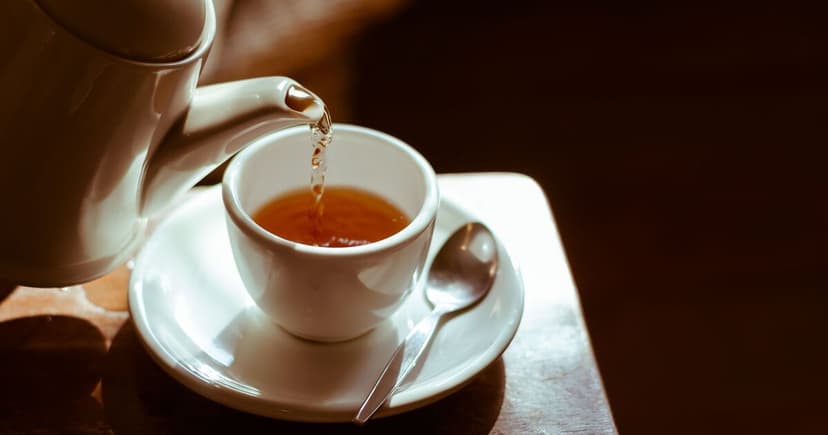
Tea Bags Leak Microplastics Into Your Brew

Research led by Professor Mohamed Abdallah indicates that hot beverages, particularly tea, can release microplastic particles. Tea can contain as many as 60 microplastic particles per litre, with analyses suggesting hot temperatures increase this release.

Compared to energy drinks or soft drinks, tea appears to have a higher concentration of these particles. Furthermore, the type of receptacle used matters; plastic-lined takeaway cups show higher averages of microplastic particles than glass mugs.

Tea bags themselves, evolving from silk to materials like nylon and bioplastics, are a notable source of microplastics when immersed in hot water. This information is particularly relevant for vegetarians, vegans, and pregnant women.

trending

Ohio snow emergency declared

trending

TikTok down in United States

trending

Andreeva matches Venus Williams' feat

trending

Warrington Hospital baby death

trending

Alexander Zverev advances in Australia

trending

Oilers host Capitals

trending

London celebrates Chinese New Year

trending

Liza Minnelli defends AI use

Strategies to reduce exposure include drinking tea between meals, pairing iron-rich foods with vitamin C, or limiting daily intake to three cups. Simple measures like opting for loose-leaf tea and avoiding plastic-lined cups can help mitigate risks.

Disclaimer: This story has been auto-aggregated and auto-summarised by a computer program. This story has not been edited or created by the Feedzop team.
Tea can contain up to 60 microplastic particles per litre, which equates to roughly 12 to 15 particles per cup.
Yes, tea bags made from materials like paper, nylon, and bioplastics can shed microplastics when immersed in hot water.
You can reduce microplastic intake by choosing loose-leaf tea, avoiding plastic-lined cups, drinking tea between meals, and moderating your intake to around three cups per day.

Read more news on

Healthside-arrow

You may also like

Hot Drinks Unleash Microplastic Flood!

19 Jan • 53 reads

article image

Hospital Bans Paper Cups for Health

8 Jan • 111 reads

article image

Backyard Birds Choking on Microplastics

24 Dec, 2025 • 178 reads

article image

Tire Chemicals Found in Human Urine!

19 Dec, 2025 • 179 reads

article image

Fish Gills Inspire Microplastic Filter for Laundry

9 Dec, 2025 • 180 reads

article image