feedzop-word-mark-logo
searchLogin
Feedzop
homeFor YouUnited StatesUnited States
You
bookmarksYour BookmarkshashtagYour Topics
Trending
trending

Sheinelle Jones TODAY co-host

trending

North Forsyth High stabbing

trending

Medline targets $55B valuation

trending

Salah criticizes Liverpool, future uncertain

trending

Michigan routs Villanova, 89-61

trending

NBA Cup Quarterfinals begin

trending

UConn Huskies face Florida

trending

Cher releases Christmas song

trending

California farm issues egg recall

Terms of UsePrivacy PolicyAboutJobsPartner With Us

© 2025 Advergame Technologies Pvt. Ltd. ("ATPL"). Gamezop ® & Quizzop ® are registered trademarks of ATPL.

Gamezop is a plug-and-play gaming platform that any app or website can integrate to bring casual gaming for its users. Gamezop also operates Quizzop, a quizzing platform, that digital products can add as a trivia section.

Over 5,000 products from more than 70 countries have integrated Gamezop and Quizzop. These include Amazon, Samsung Internet, Snap, Tata Play, AccuWeather, Paytm, Gulf News, and Branch.

Games and trivia increase user engagement significantly within all kinds of apps and websites, besides opening a new stream of advertising revenue. Gamezop and Quizzop take 30 minutes to integrate and can be used for free: both by the products integrating them and end users

Increase ad revenue and engagement on your app / website with games, quizzes, astrology, and cricket content. Visit: business.gamezop.com

Property Code: 5571

Home / Health / Microplastics Invade Mouse Brains in Weeks

Microplastics Invade Mouse Brains in Weeks

6 Dec

•

Summary

  • Microplastics reached mouse brain tissue in just four weeks.
  • Mice showed metabolic differences in key organs after exposure.
  • Human exposure levels to microplastics are comparable to study.
Microplastics Invade Mouse Brains in Weeks

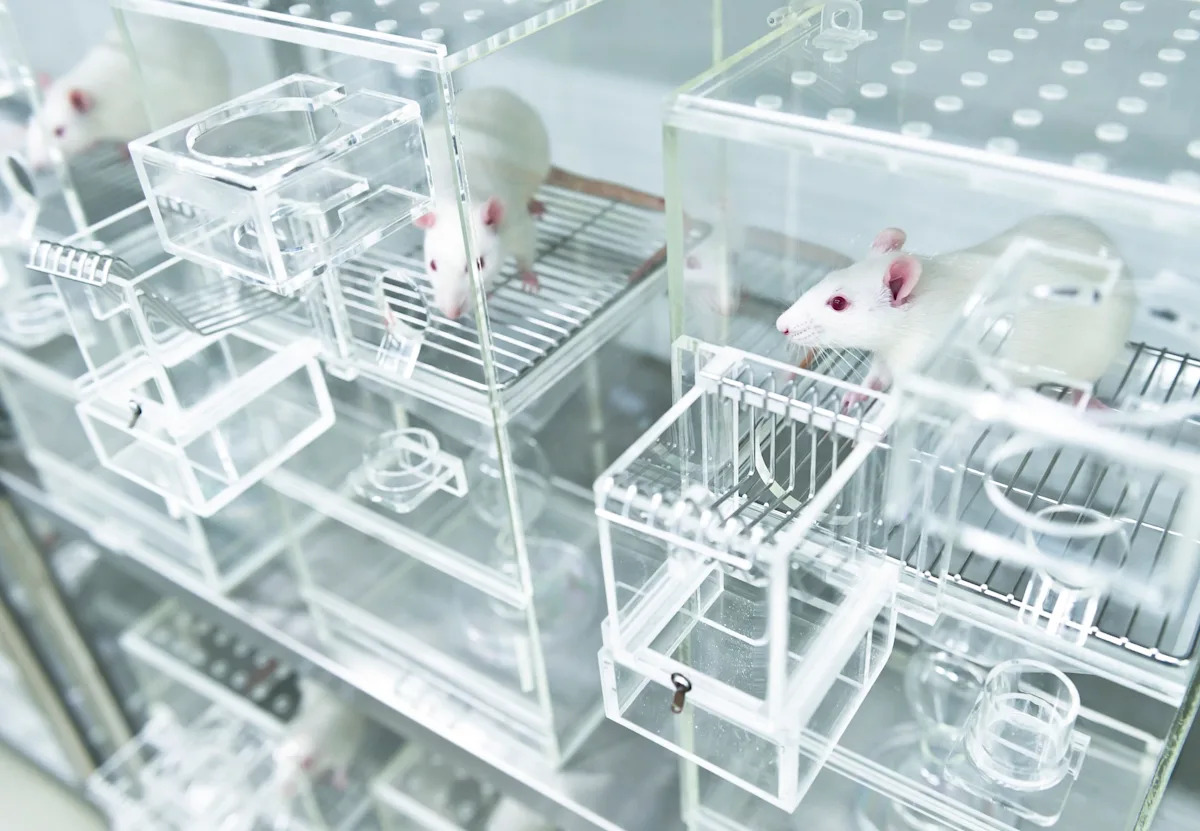
New research indicates that microplastics can travel from the gut to the brain in mice within a mere four weeks. Scientists observed these particles crossing the intestinal barrier and accumulating in various tissues, including brain matter. This rapid migration underscores potential health risks associated with microplastic ingestion.

Further analysis revealed metabolic differences in the colons, livers, and brains of the exposed mice. Given the short duration for these changes to appear, researchers are concerned about the long-term implications for human health, especially considering daily exposure levels are comparable to those used in the study.

While definitive human health impacts are still under investigation, microplastics have been tentatively linked to serious conditions. Scientists are exploring solutions, including plant-based molecules and hydrogels to remove microplastics from water, and encouraging the use of plastic-free alternatives in households.


Disclaimer: This story has been auto-aggregated and auto-summarised by a computer program. This story has not been edited or created by the Feedzop team.
Microplastics were found in mouse brain tissues within as little as four weeks.
Microplastics have been linked to potential issues like cancer, dementia, reproductive problems, and anxiety.
Yes, researchers are creating solutions like plant-derived molecules and hydrogels to eliminate microplastics from drinking water.

Read more news on

Healthside-arrow

You may also like

Killer Dust: The Hidden Danger in Stone Countertops

1 hour ago • 2 reads

article image

Fish Gills Inspire Microplastic Filter for Laundry

1 day ago • 6 reads

article image

Hidden Microplastics: Surprising Sources in Your Home

6 Dec • 19 reads

article image

EU Tackles Microplastic Tide from Plastic Pellets

3 Dec • 51 reads

article image

Climate Change Turns Plastic into Toxic Hazard

27 Nov • 136 reads

article image