

Home / Health / Gov't Launches $144M Program to Study Microplastic Impact
Gov't Launches $144M Program to Study Microplastic Impact
3 Apr
Summary
- A new $144 million government program will study microplastics in the human body.
- The program aims to detect, research effects, and develop removal strategies.
- Microplastics are now officially considered for future drinking water regulations.
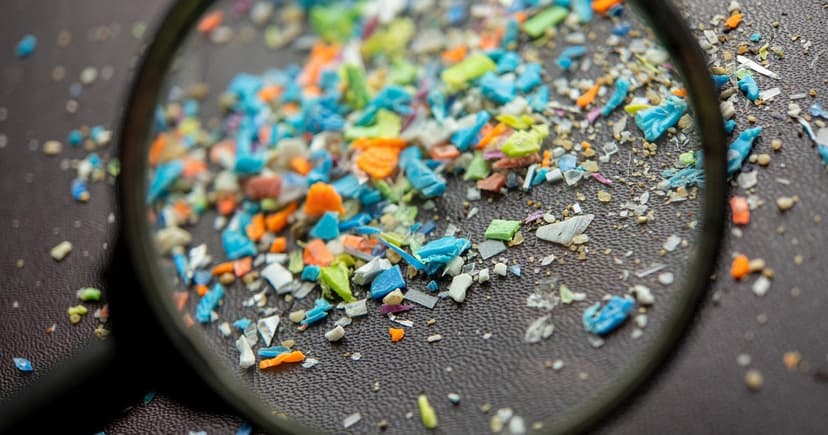
The Department of Health and Human Services has announced a novel $144 million national program, STOMP (Systemic Targeting of MicroPlastics), dedicated to studying the presence and impact of microplastics within the human body. This initiative will convene toxicologists, data scientists, and other specialists to develop standardized tools for detecting and quantifying microplastics. Their research will focus on understanding the health effects and formulating targeted strategies for removal.
Secretary Robert F. Kennedy Jr. emphasized the urgency, stating that microplastics represent a measurable and growing presence inside the human body, citing their detection in organs, blood, and the placenta. The program will prioritize research on high-risk populations, including pregnant individuals, children, and highly exposed workers. This effort is complemented by the Environmental Protection Agency's decision to add microplastics to its contaminant candidate list, a move that paves the way for future regulatory considerations regarding drinking water quality.
While the addition to the contaminant candidate list is a crucial first step, experts note that significant research is still needed to establish clear links between exposure levels and specific health outcomes, and to develop standardized measurement systems. The EPA's draft list, CCL 6, also includes pharmaceuticals, and is expected to be finalized by November 17, 2026, following a public comment period. Recommendations for reducing exposure include avoiding bottled water and plastic containers for heating food.
