Home / Health / Weight Loss Drugs: Microdosing Risks Revealed
Weight Loss Drugs: Microdosing Risks Revealed
4 Apr
Summary
- Microdosing GLP-1s is popular for cost and fewer side effects.
- Compounded microdoses lack FDA approval and safety verification.
- Experts warn of risks including infections and overdose from microdosing.
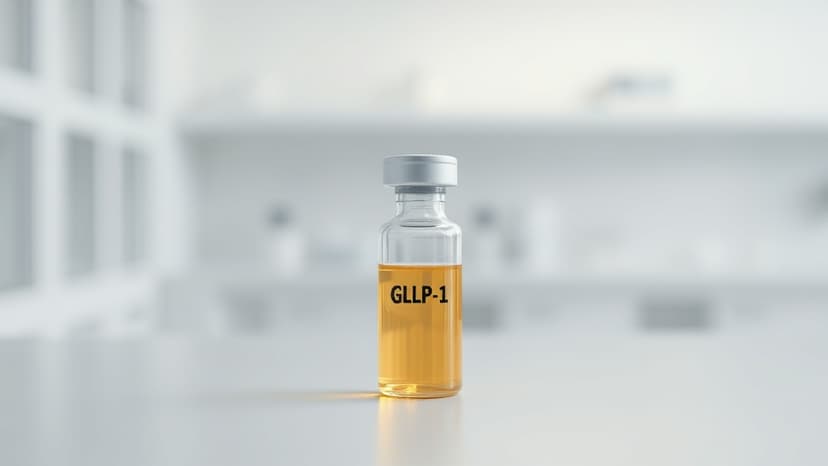
Microdosing GLP-1 medications for weight loss has surged in popularity, with a notable percentage of American adults reportedly using smaller doses. This trend is driven by desires for cost savings and a reduction in gastrointestinal side effects. Telehealth companies have promoted these reduced doses, with some public figures sharing positive experiences.
However, warnings from health organizations highlight potential dangers associated with microdosing. These smaller, custom-made doses, often referred to as 'compounded drugs,' are not approved by the U.S. Food and Drug Administration (FDA). This lack of FDA approval means there may not be a robust process to ensure their safety, effectiveness, or quality.
Concerns have been raised about the risks of using compounded GLP-1s, including the possibility of bacterial infections if not produced in sterile environments and accidental overdoses due to measurement errors. Medical professionals strongly advise against using these untested versions, citing potential undisclosed additives and interactions with other medications. The FDA is also taking steps to limit the use of compounded GLP-1s, especially when approved versions are available.
Experts suggest that for individuals aiming for modest weight loss, focusing on lifestyle changes is a safer and more effective first step. They also note that microdosing is unlikely to reduce side effects like nausea, as it can lead to medication disappearing from the system too quickly, potentially causing side effects to reappear with subsequent administrations.


